

- * For destinations within the contiguous U.S., orders totaling $75 or more (before tax) ship free, and orders below $75 require payment for shipping. The price of shipping is available at Checkout. Multiple shipping addresses count separately. For other destinations (including international), shipping cost is calculated at checkout. Delivery date will be estimated at checkout. See Full Details
 Mon-Fri 9AM-5:30PM EST
 (888) 963-6637


Alaea Hawaiian Salt - Fine
- Home
Alaea Hawaiian Salt - Fine




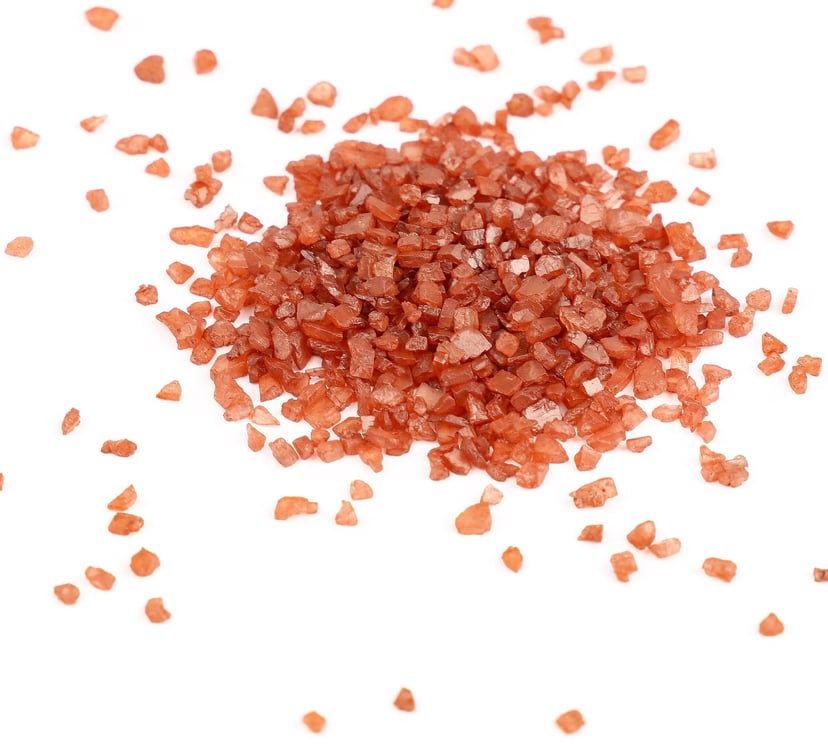
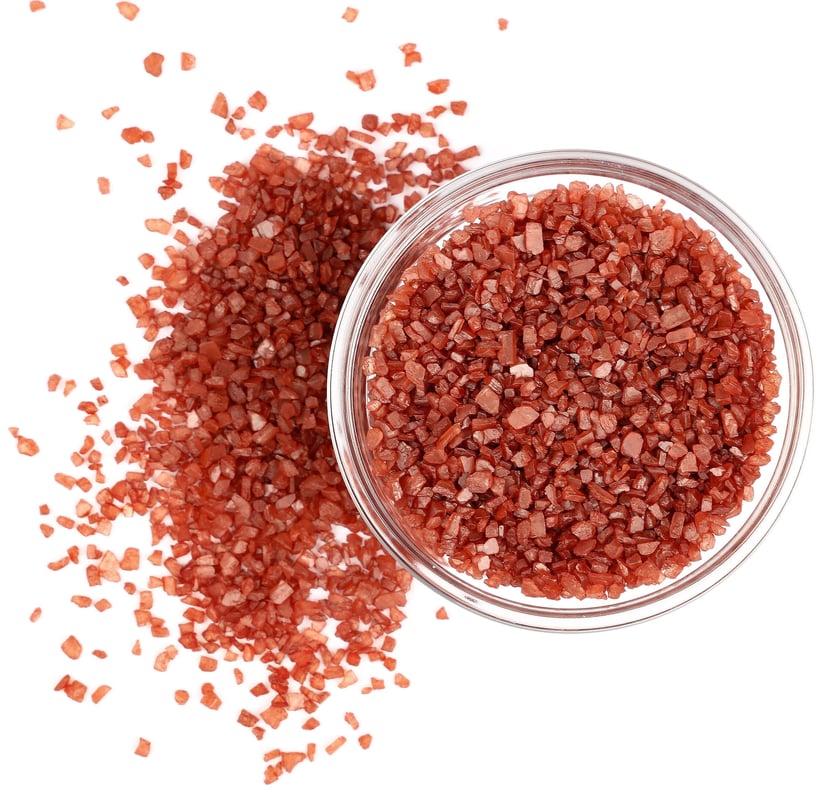





Alaea Hawaiian Salt - Fine
Pay now$14.29
Purchase Options
Frequently Bought together
Loading...
+Loading...
Total price: $
About Product
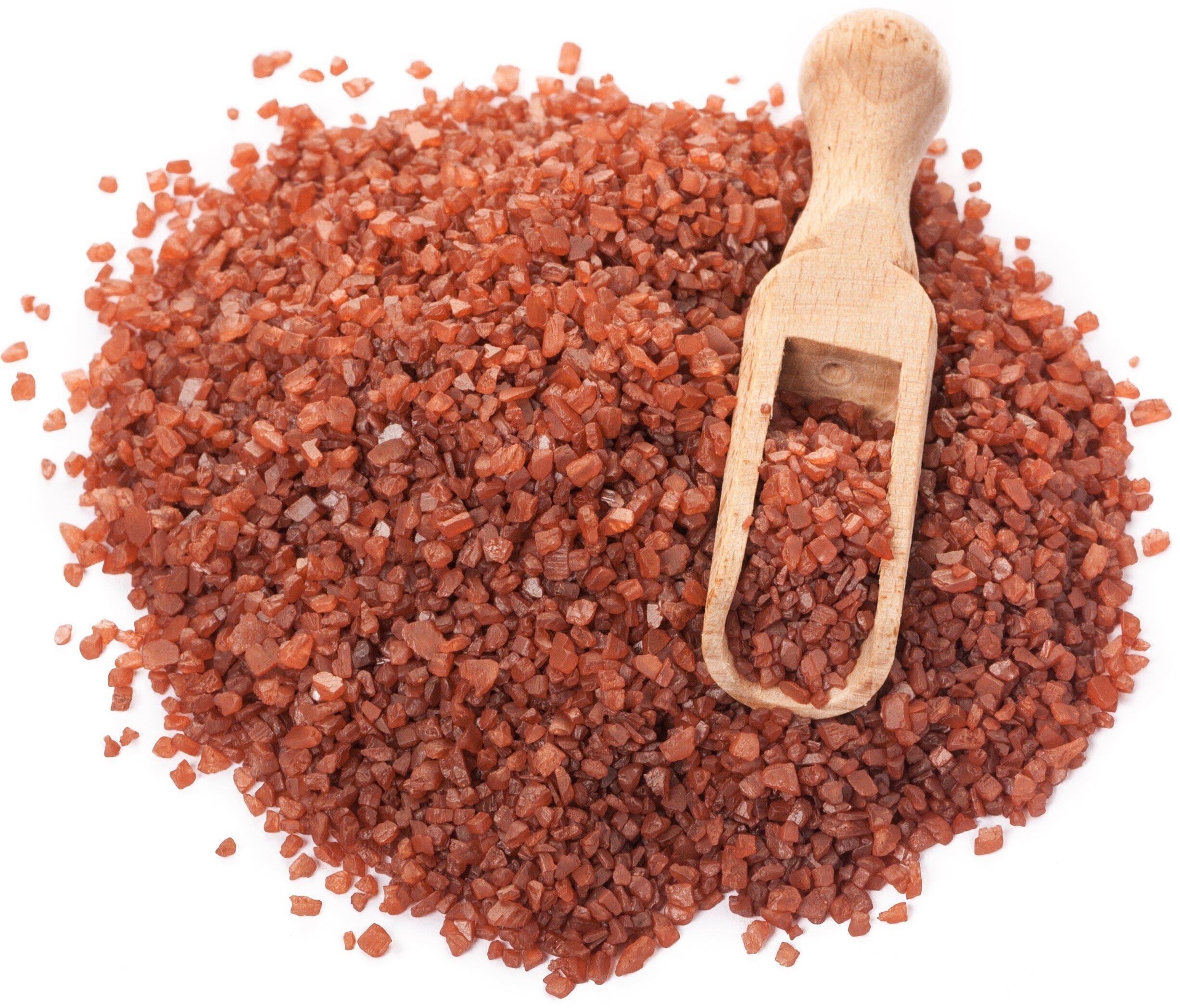
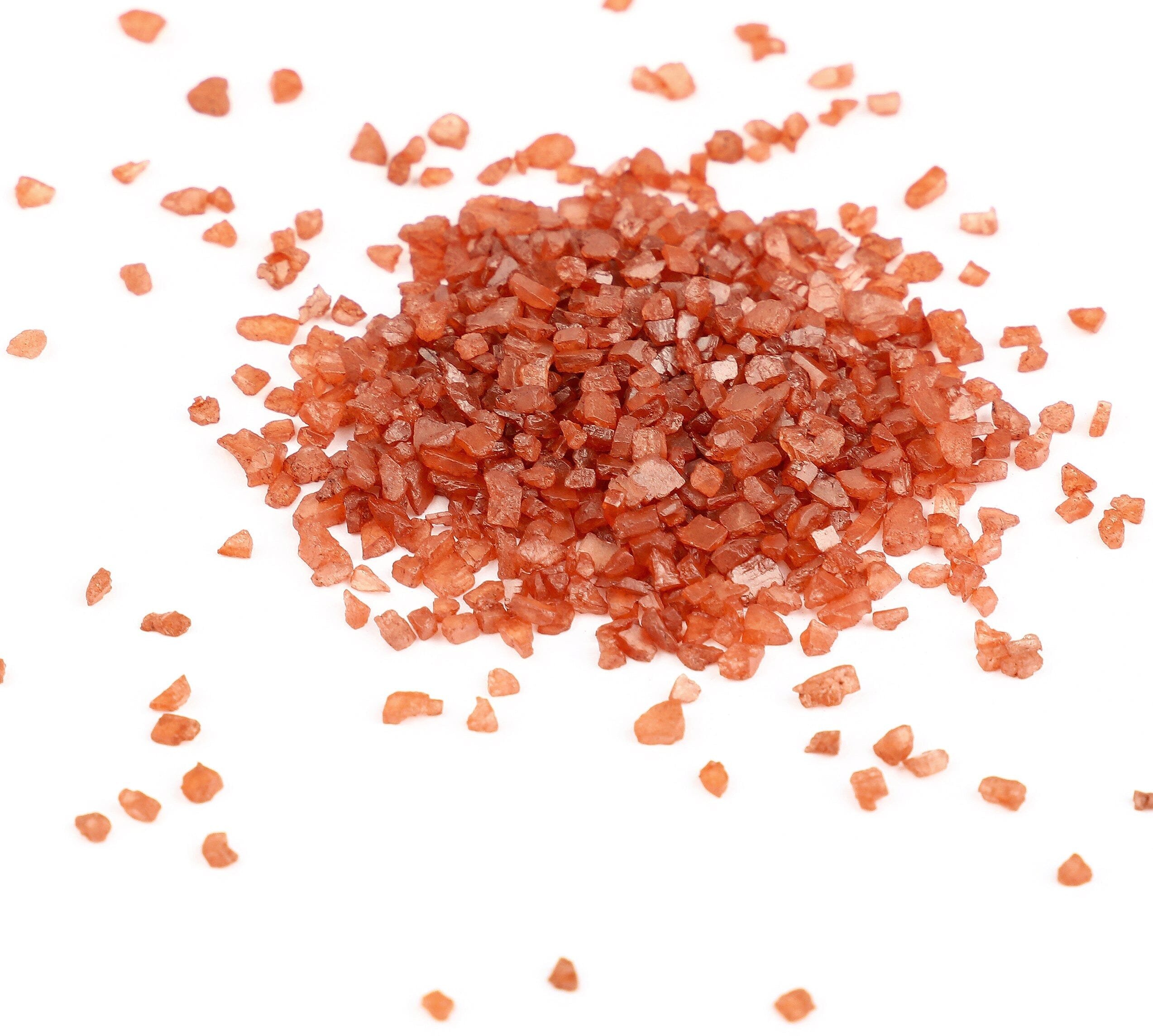
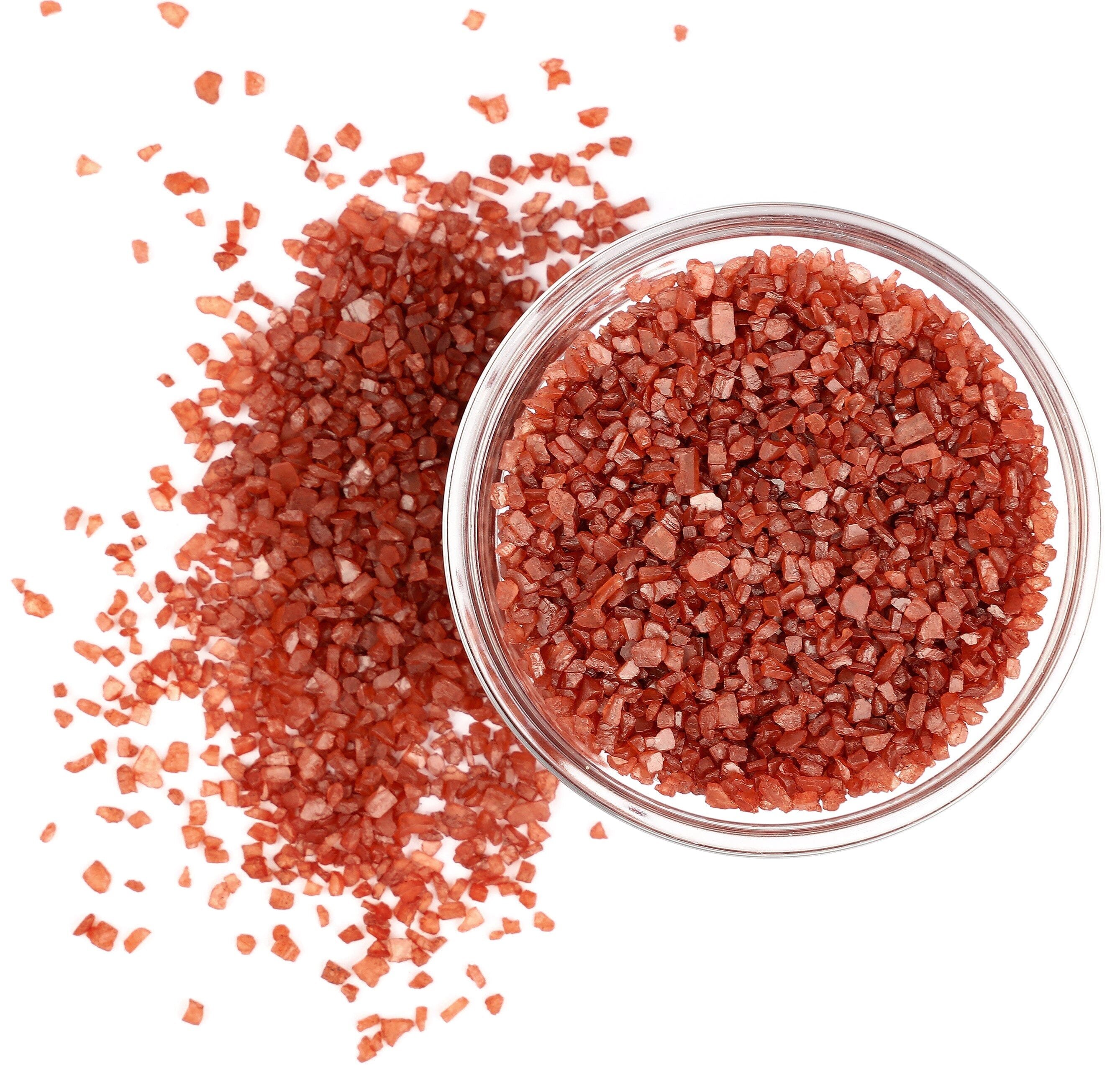
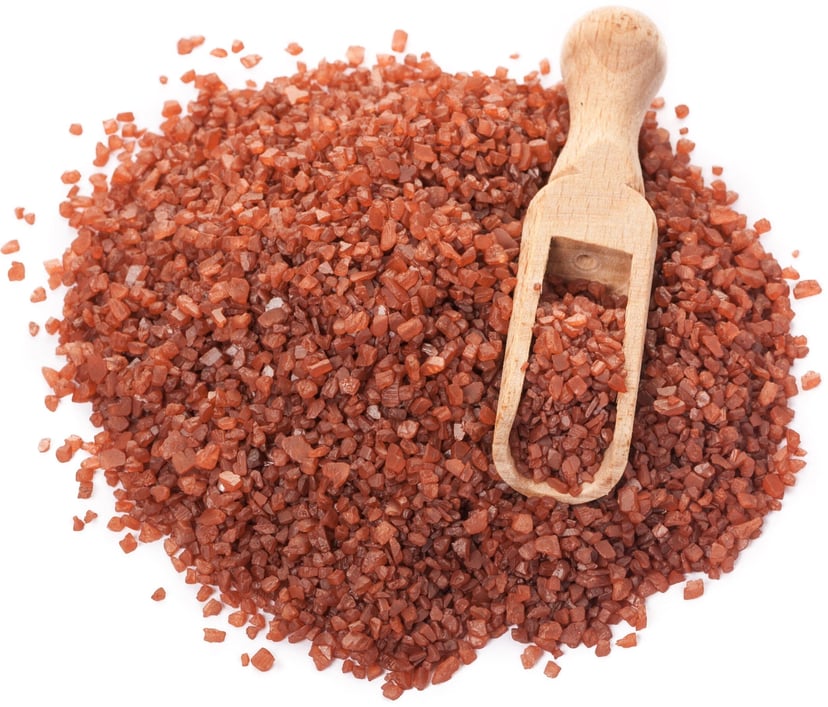
Alaea Hawaiian Salt is an unrefined sea salt from Hawaii, naturally enriched with red volcanic clay called alaea, which gives it its distinctive pinkish-red color. Traditionally used in Hawaiian cuisine, this salt is valued for its unique flavor and visual appeal. It is a popular choice for seasoning, preserving, and enhancing a wide variety of dishes, while also holding a long-standing place in regional culinary traditions.
Some research suggests that Hawaiian Salt may contain the following constituents:
- Nutrients: Chloride, Sulfur, Magnesium, Iodine
This product is 100% natural and minimally processed: Taste, smell, texture, and color vary from batch to batch.
Suggested Use: Add a dash to any recipe, tea, or smoothie. It also works great when added to a bath.
Mixing suggestions: To increase the flavor and nutritional profile, add a pinch to our whey protein and organic extra-rich cacao powder.
Miscellaneous facts about our Alaea Hawaiian Salt
Ingredients: Natural Pacific Hawaiian Sea Salt, Premium Hawaiian Alaea clay.
Grain Size: Fine (0.5-1mm)
Origin: Harvested in Hawaii. Packaged with care in Florida, USA.
1. United States Department of Agriculture
2. World Health Organization
3. United States Food and Drug Administration
4. National Institutes of Health
5. Harvard Medical School Clinical Research Programs
6. Mayo Clinic Research Information Center
7. Kurlansky, Mark. pg. 405.
8. Laudan, Rachel (1996). The food of Paradise: exploring Hawaii's culinary heritage. University of Hawaii Press. p. 235. ISBN 978-0-8248-1778-7.
9. Bitterman, Mark (2010). Salted: A Manifesto on the World's Most Essential Mineral, with Recipes. Ten Speed Press. p. 129. ISBN 978-1-58008-262-4.
10. Weinzweig, Ari (2003). Zingerman's guide to good eating: how to choose the best bread, cheeses, olive oil, pasta, chocolate, and much more. Houghton Mifflin 11.
Harcourt. p. 343. ISBN 978-0-395-92616-1.
12. Schrambling, Regina (April 6, 2005). "Salt, that essential flavor" (FEE REQUIRED). Los Angeles Times. Retrieved January 13, 2010.
13. "Simply salt, in many variations". The Press Democrat. August 15, 2007. Retrieved January 13, 2010. (subscription required (help)).
14. Kurlansky, Mark (2002). Salt: A World History. Penguin Books. p. 405. ISBN 0-8027-1373-4.
15. Riosmena-Rodríguez, R., et al. (2017). Trace element composition of selected edible seaweed from the Sea of Japan. Journal of Applied Phycology, 29(4), 2107-2117.
16. Chan-Hon-Tong, A., et al. (2012). Traditional food consumption behaviour and concern about environmental pollution: Survey in two North-East Atlantic regions. Appetite, 59(2), 576-586.
17. Pereira, H. S., et al. (2013). Volcanic soils as sources of novel CO-oxidizing Paraburkholderia and Burkholderia: Paraburkholderia hiiakae sp. nov., Paraburkholderia metrosideri sp. nov., Paraburkholderia paradisi sp. nov., Paraburkholderia peleae sp. nov., and Burkholderia alpina sp. nov. a member of the Burkholderia cepacia complex. Microorganisms, 7(2), 35.
18. Hardy, A., et al. (2010). Solar saltworks - a model environment for the production of exopolymers. Microbial Ecology, 59(3), 654-663.
19. Lin, P. H., et al. (2013). The minerals of life. Nutritional Medicine, 2(1), 1-8.
20. McNally, L. (2018). Salt of the Earth: An Overview of the Artisan Salt Industry. Gastronomica, 18(4), 33-45.

