

- * For destinations within the contiguous U.S., orders totaling $75 or more (before tax) ship free, and orders below $75 require payment for shipping. The price of shipping is available at Checkout. Multiple shipping addresses count separately. For other destinations (including international), shipping cost is calculated at checkout. Delivery date will be estimated at checkout. See Full Details
 Mon-Fri 9AM-5:30PM EST
 (888) 963-6637

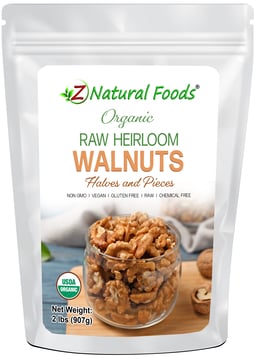
Walnuts - Raw - Heirloom - Organic
- Home
Walnuts - Raw - Heirloom - Organic
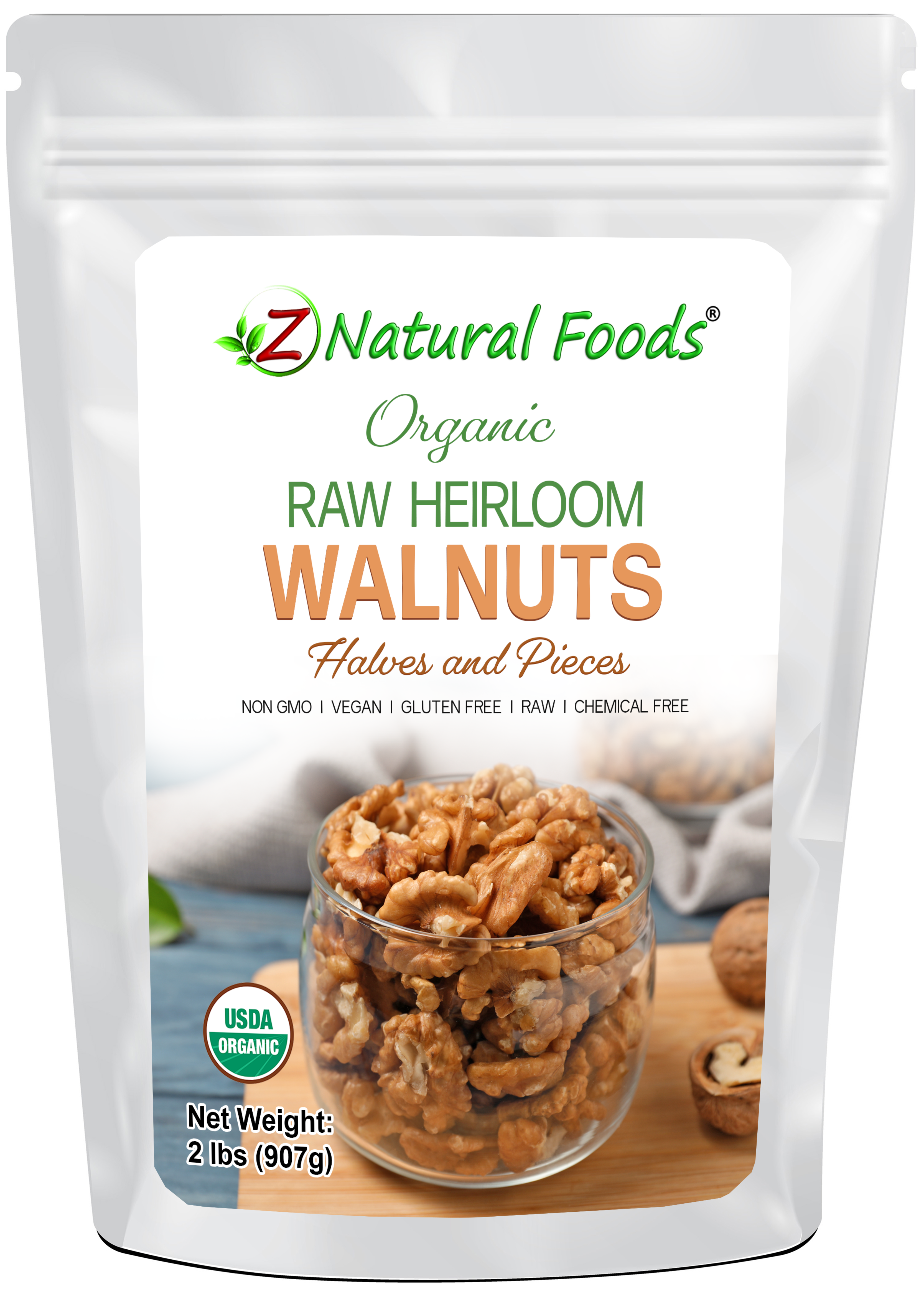
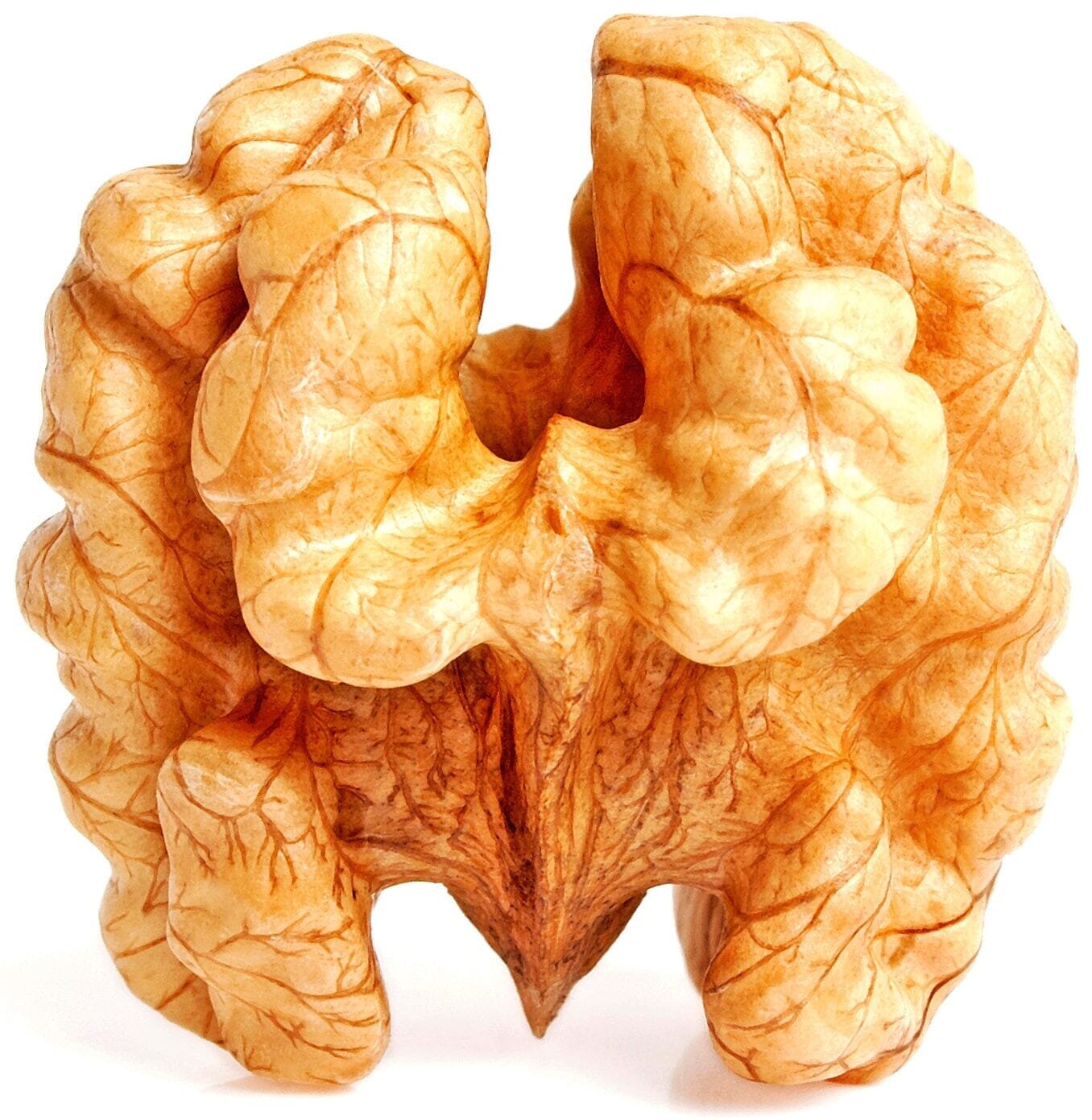

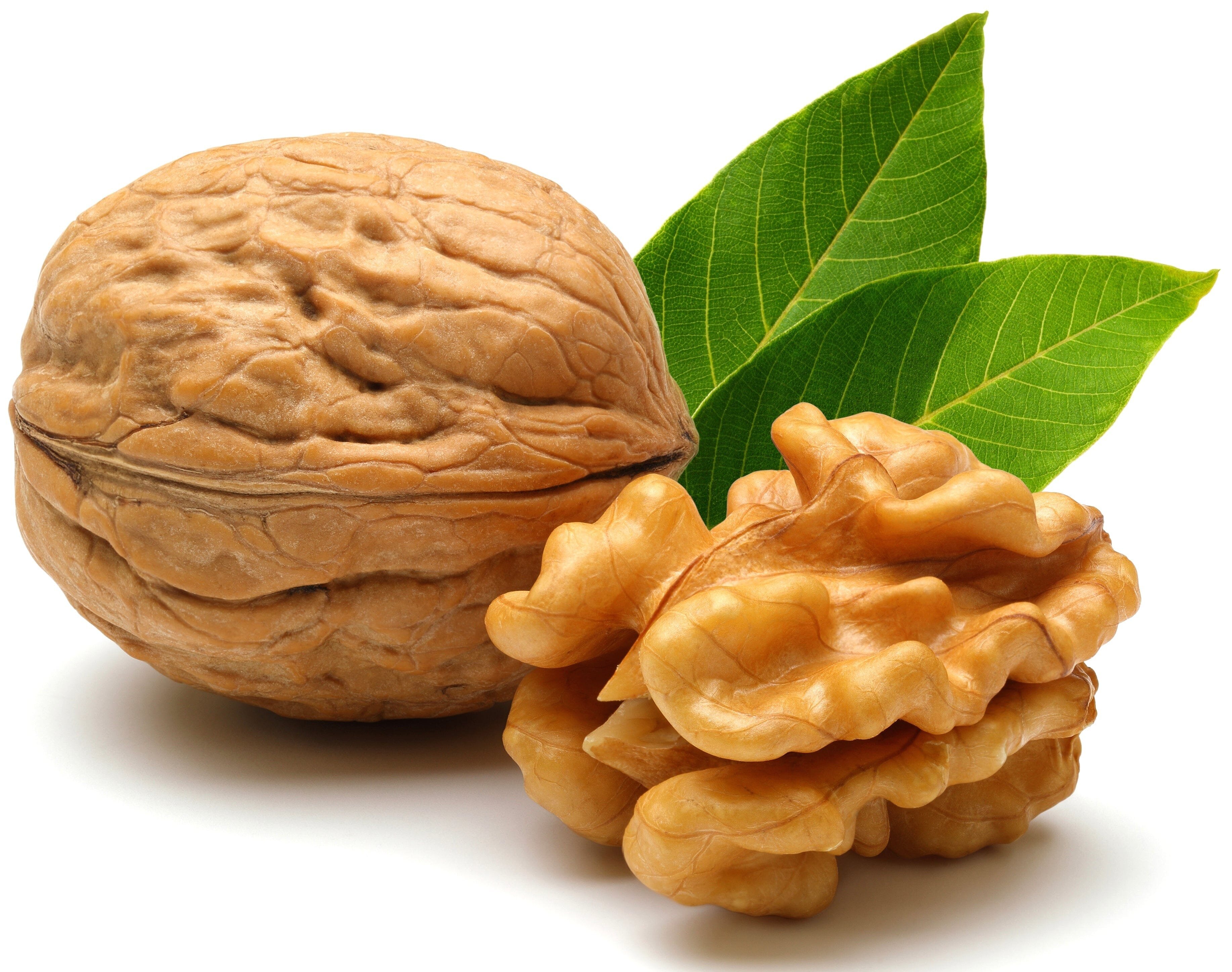
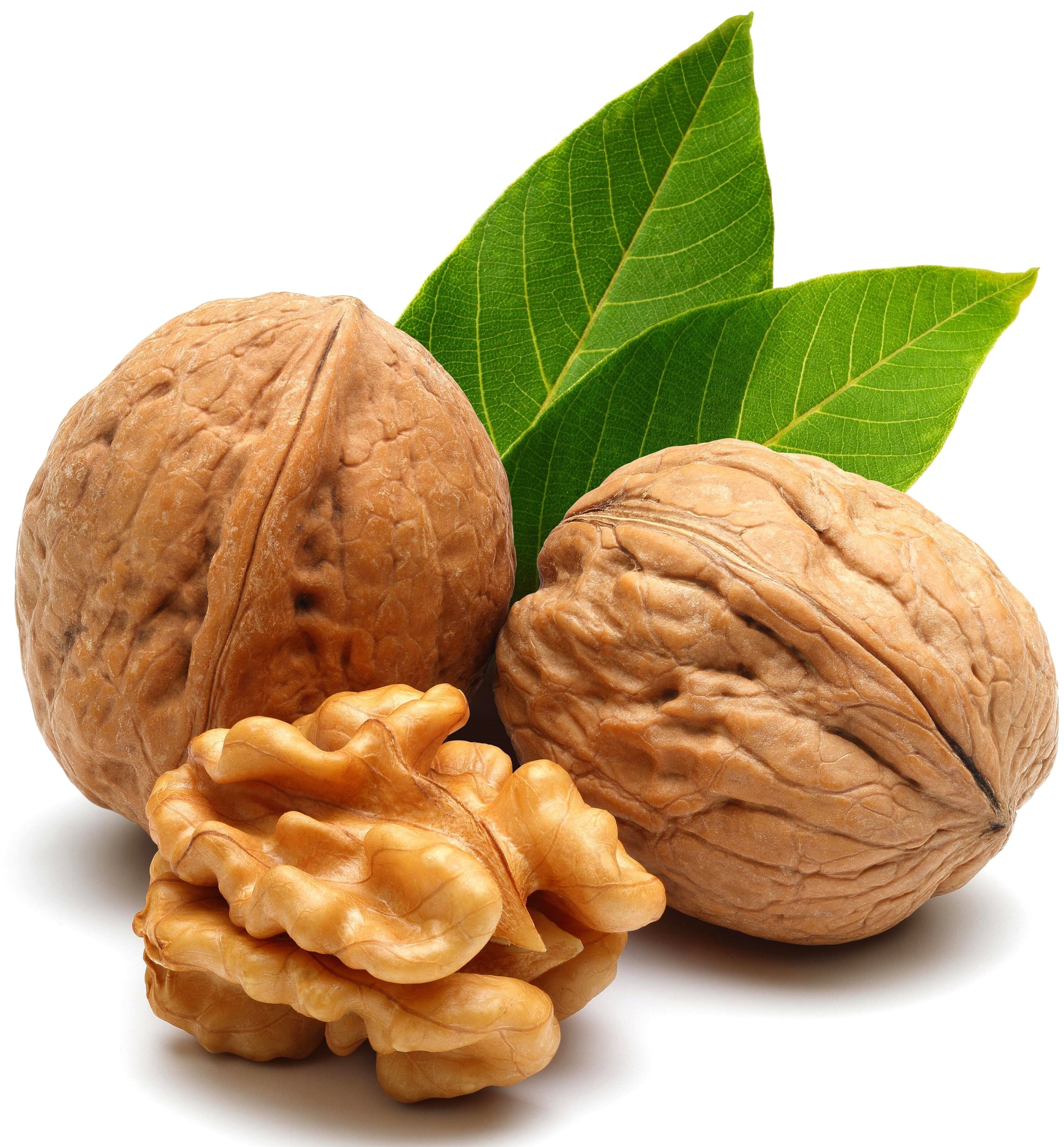
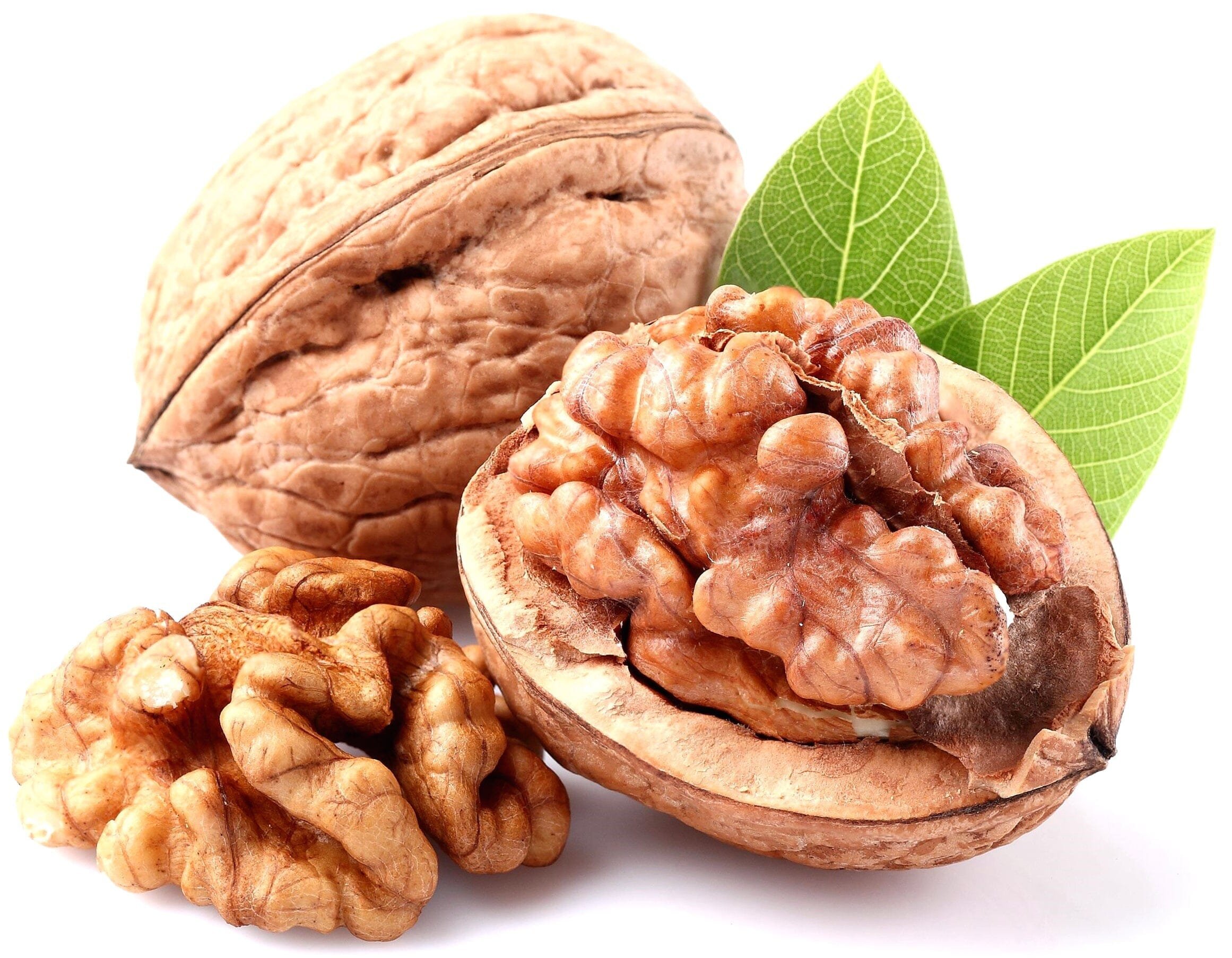



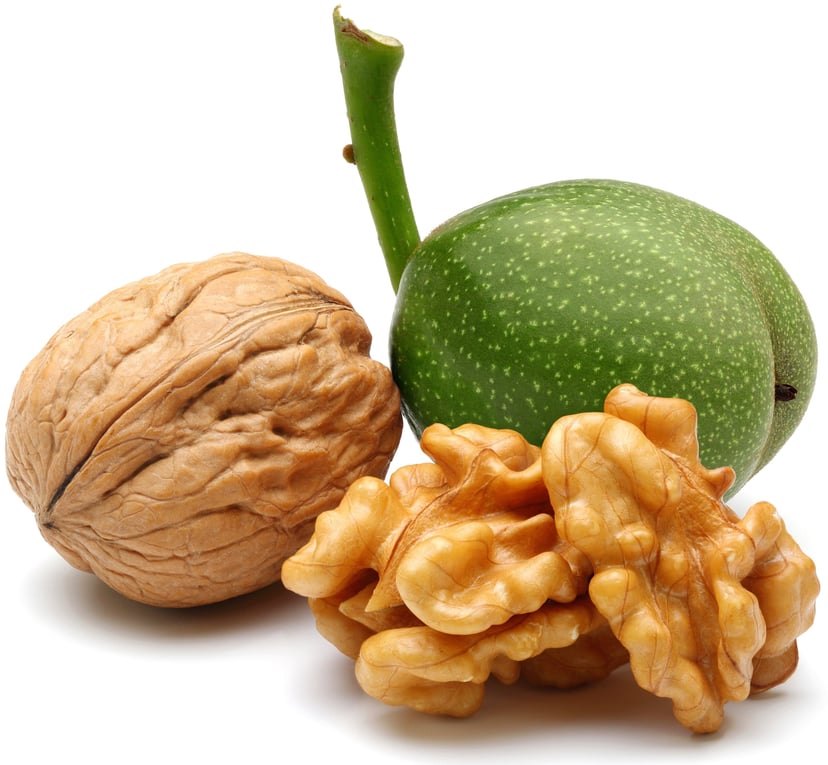
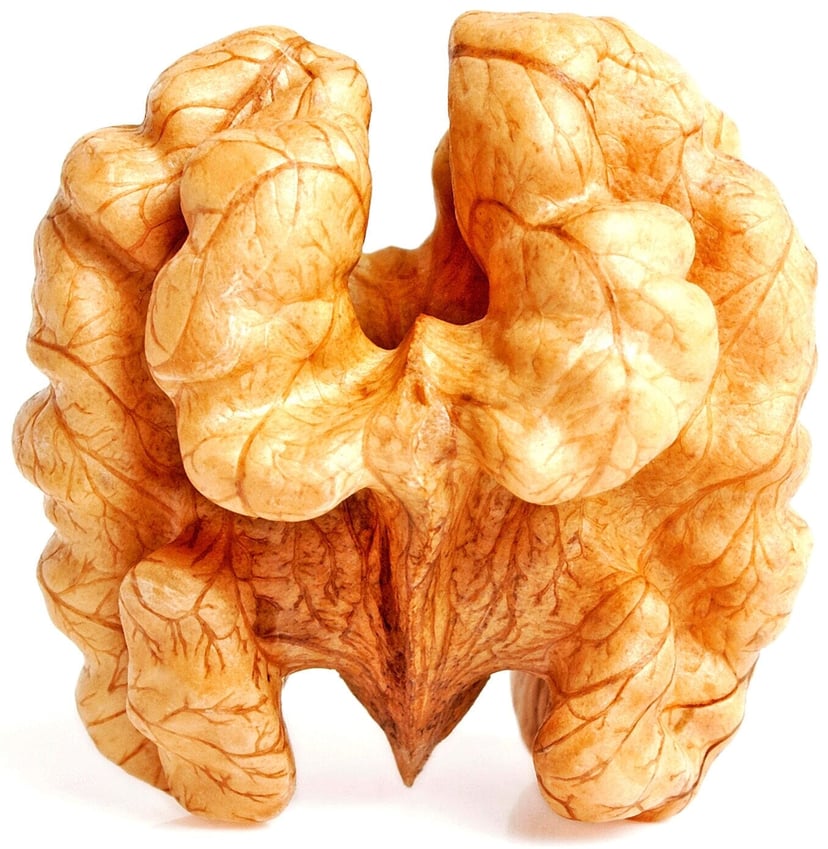


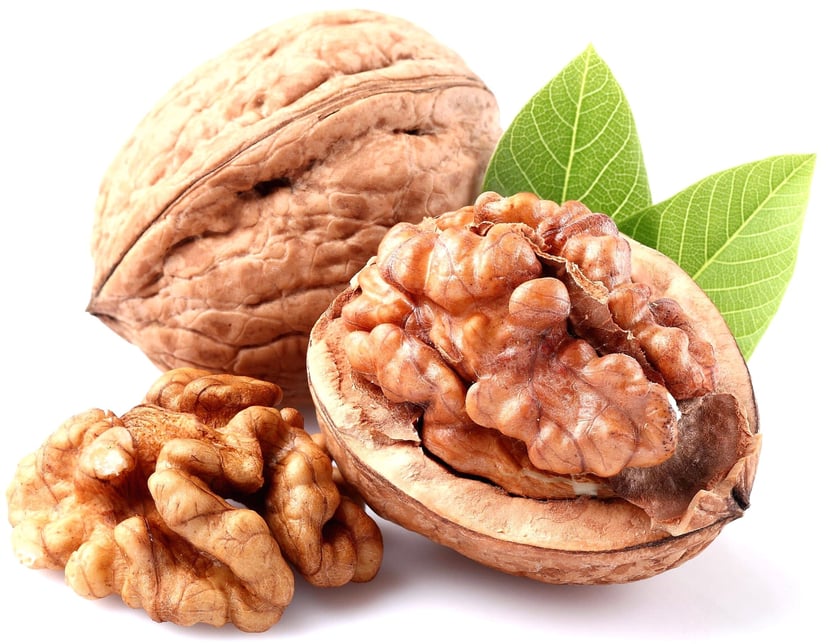





Walnuts - Raw - Heirloom - Organic
Pay now$28.59
Type
Purchase Options
Frequently Bought together
Loading...
+Loading...
Total price: $
About Product
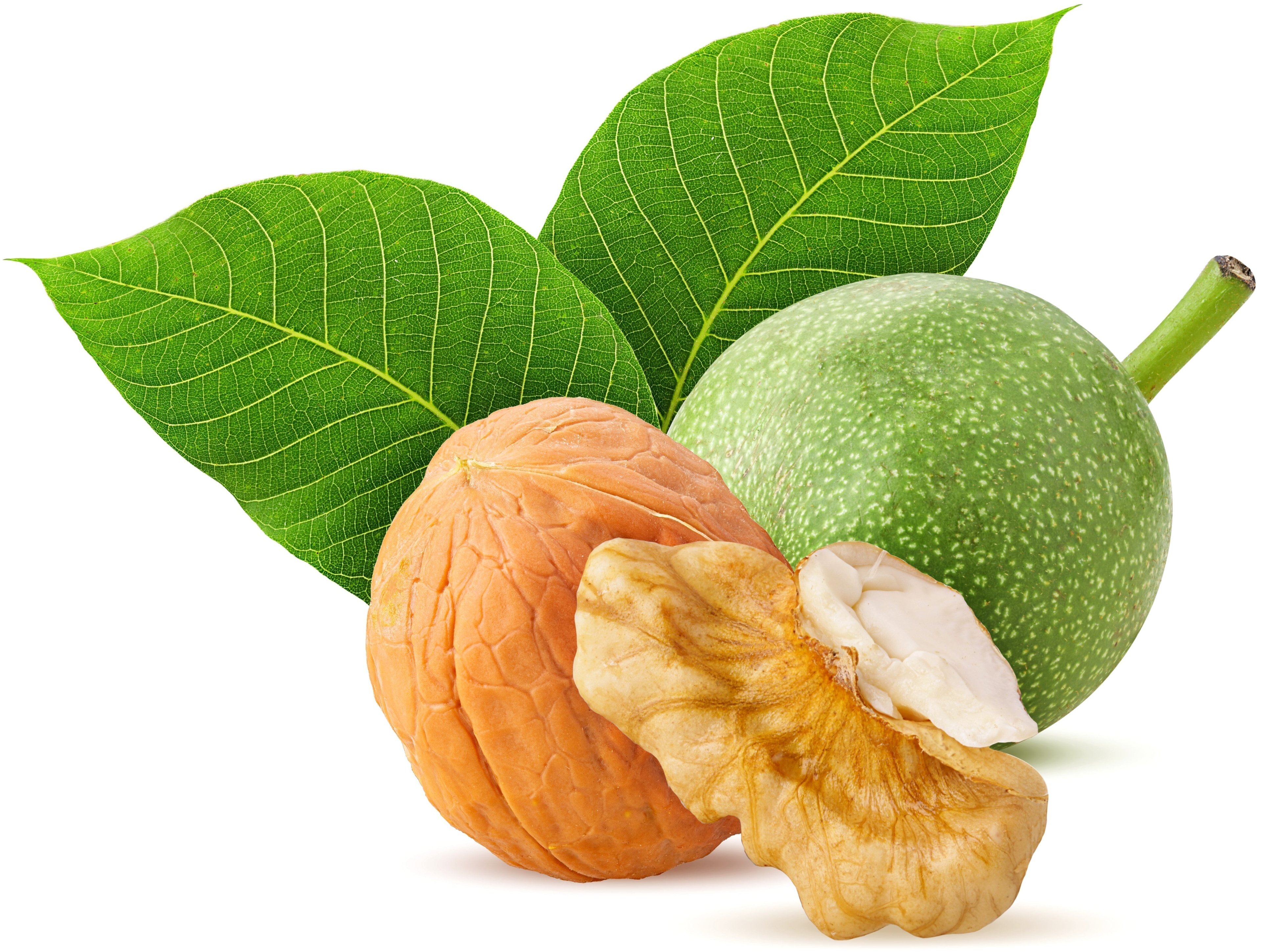
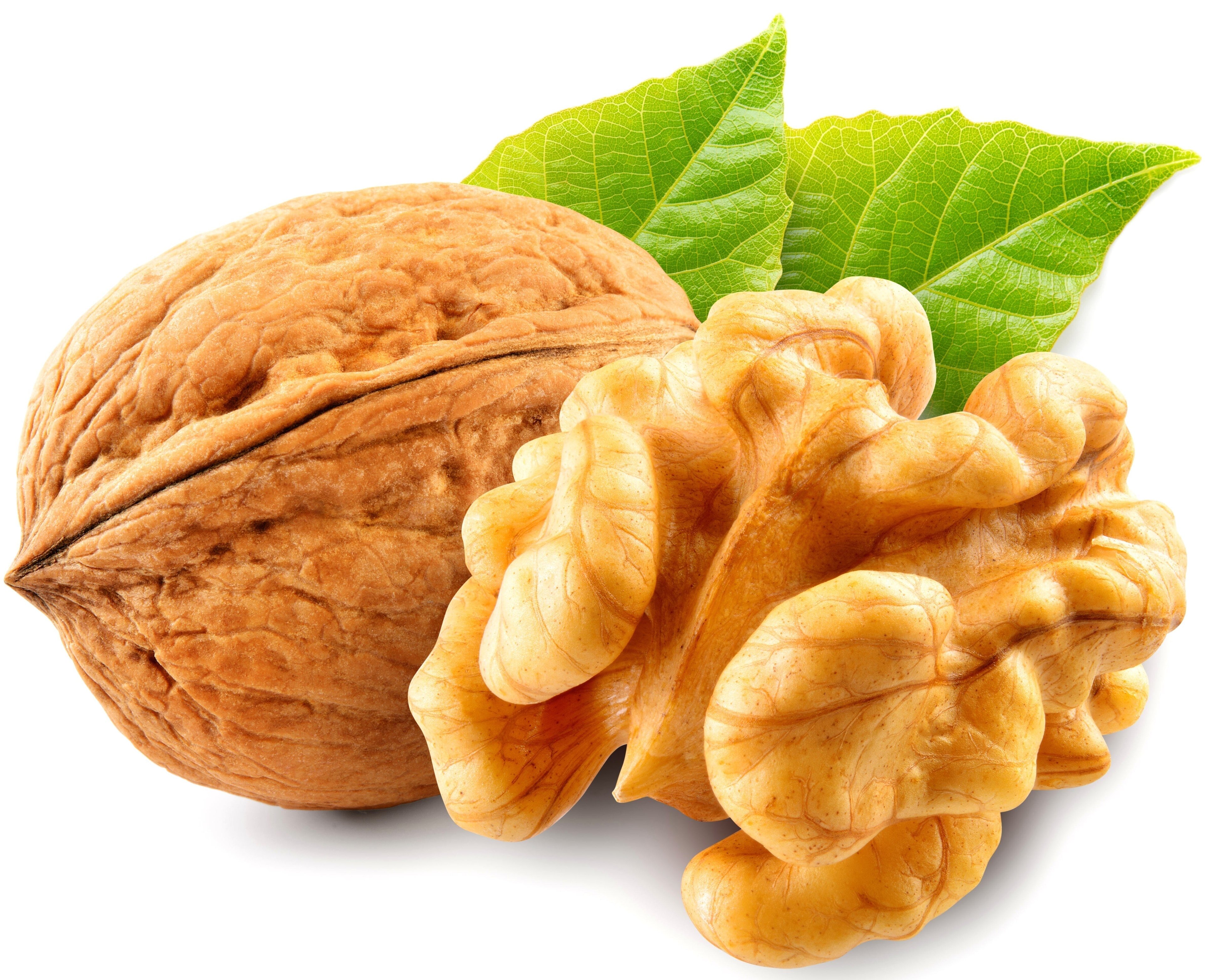
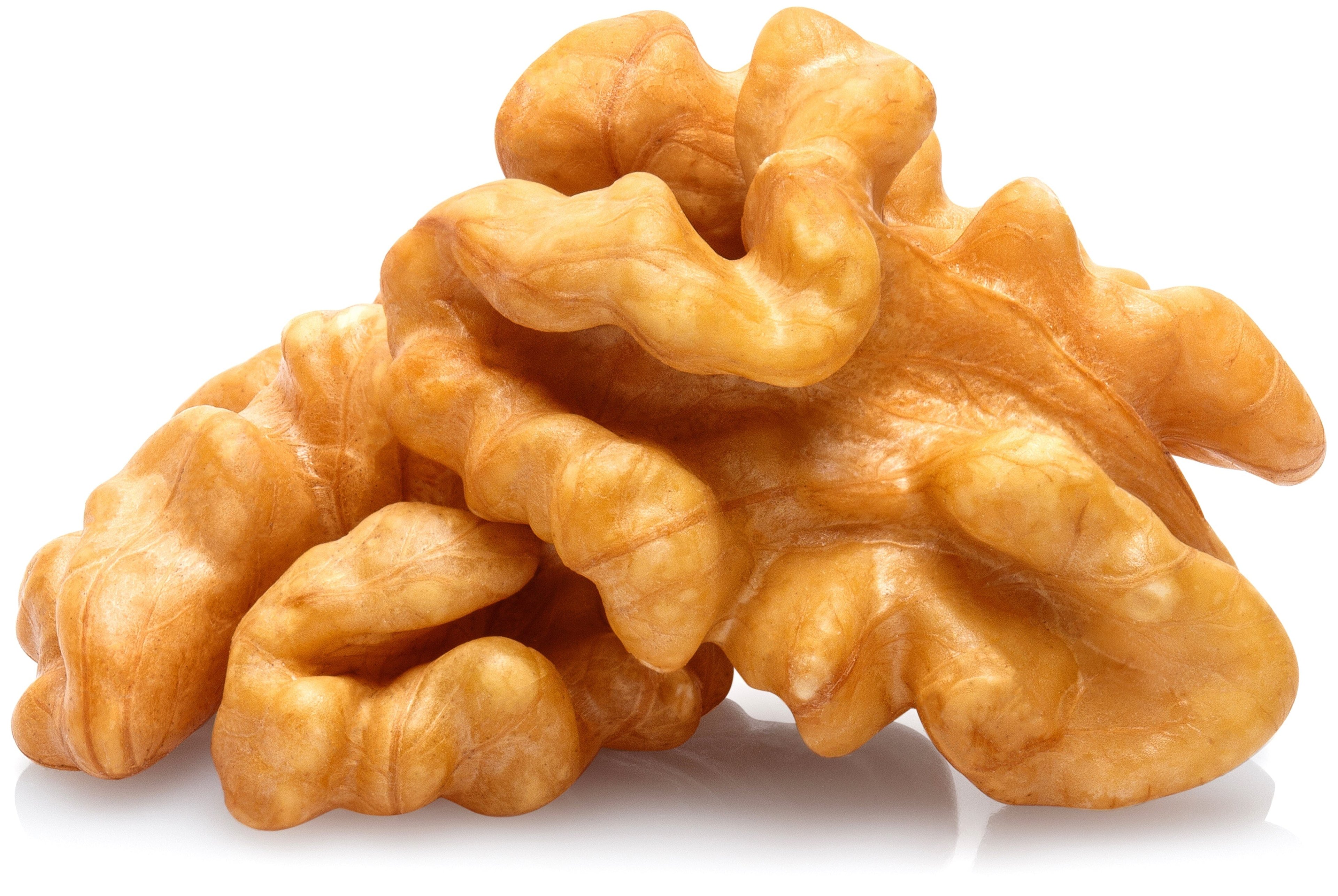
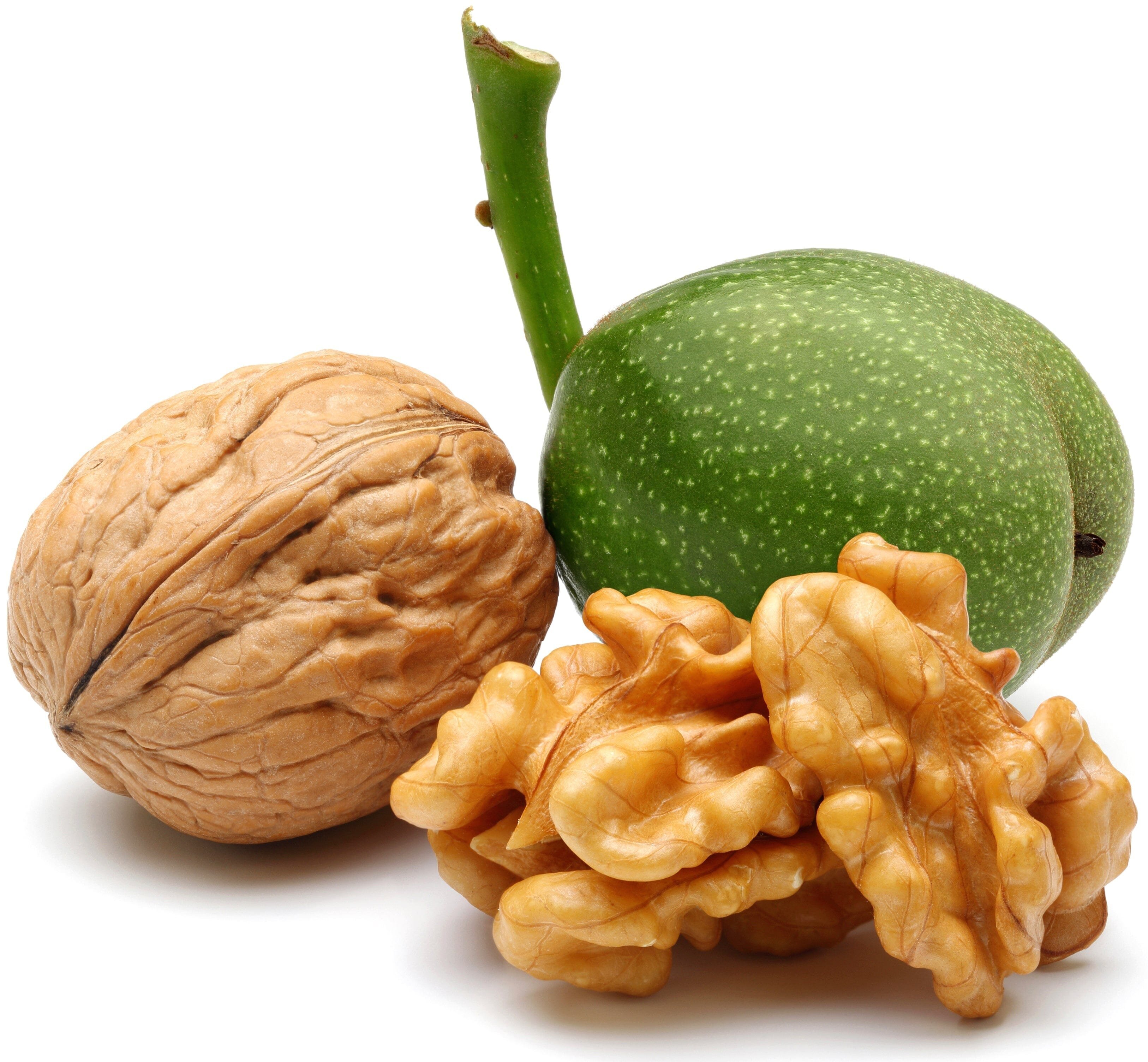
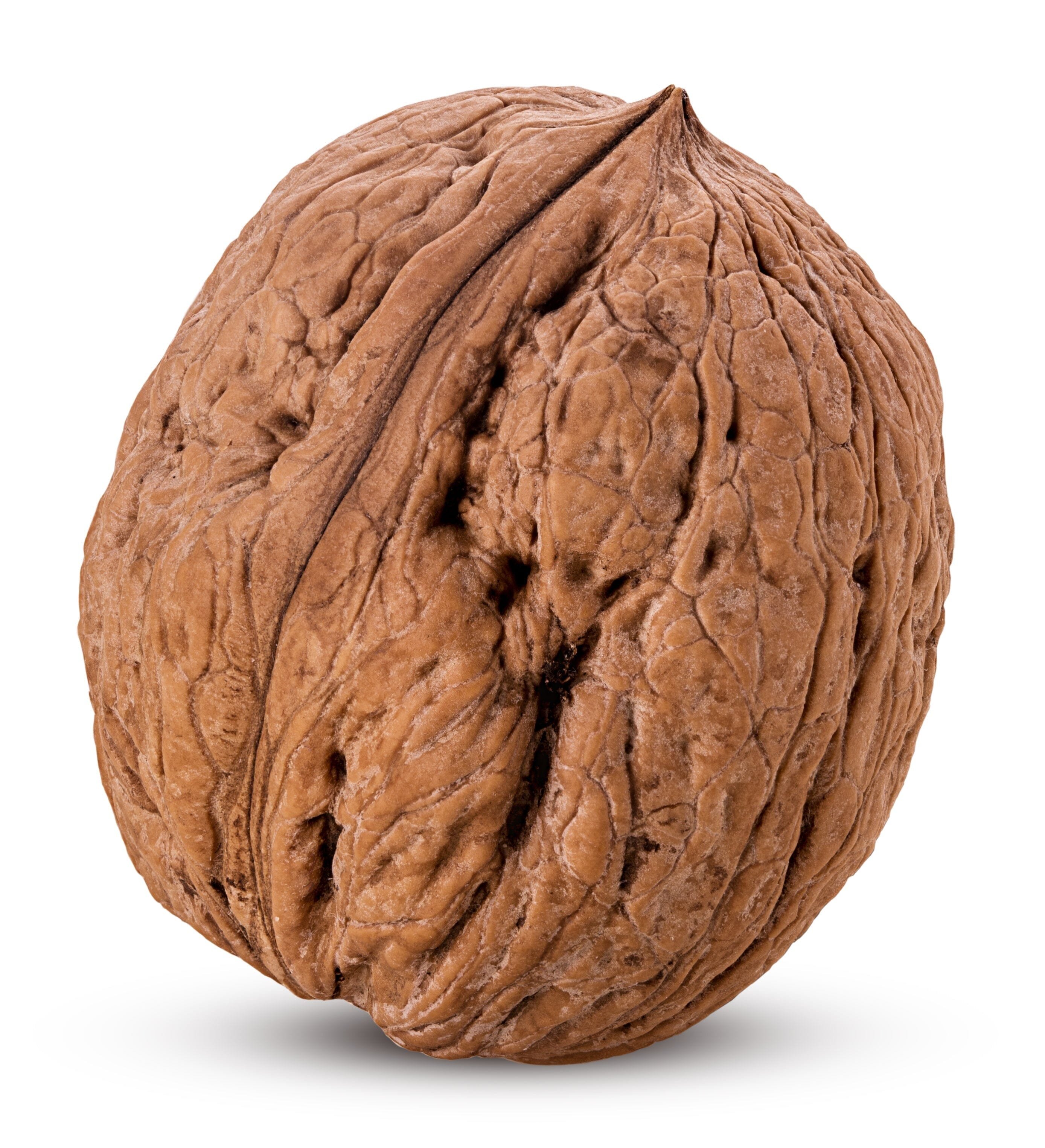
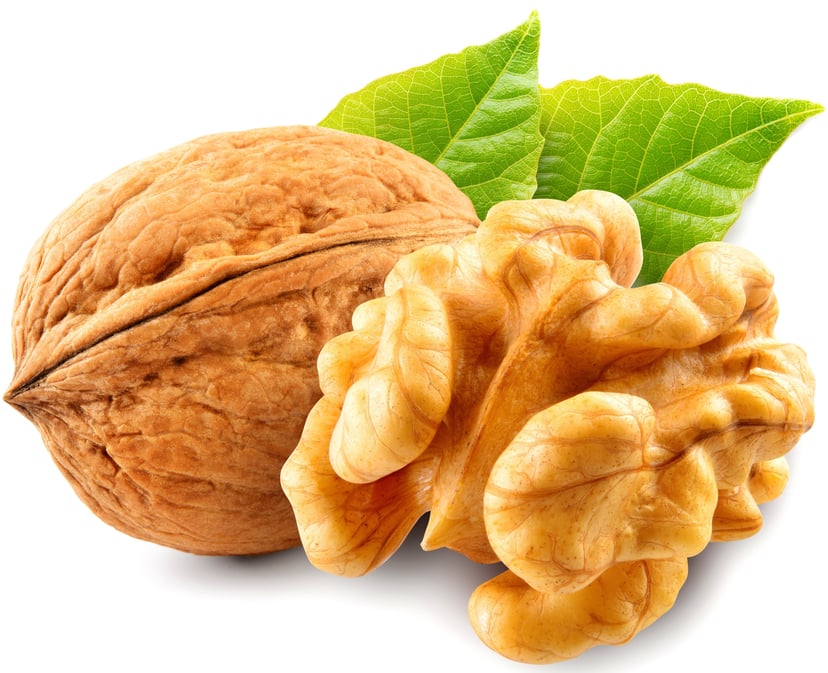
Walnuts are a timeless favorite, prized for their rich, nutty flavor and satisfying crunch. Long cherished in Mediterranean cuisine, they can be enjoyed on their own as a simple snack or incorporated into both sweet and savory recipes. Their bold taste makes them a versatile addition to salads, baked goods, sauces, and grain dishes.
Convenient and shelf-stable, walnuts are also perfect for blending into nut butters, sprinkling over oatmeal and yogurt, or pairing with cheeses and fruits for an elegant platter. With their distinctive flavor and hearty texture, they bring depth and character to everyday meals and gourmet creations alike.
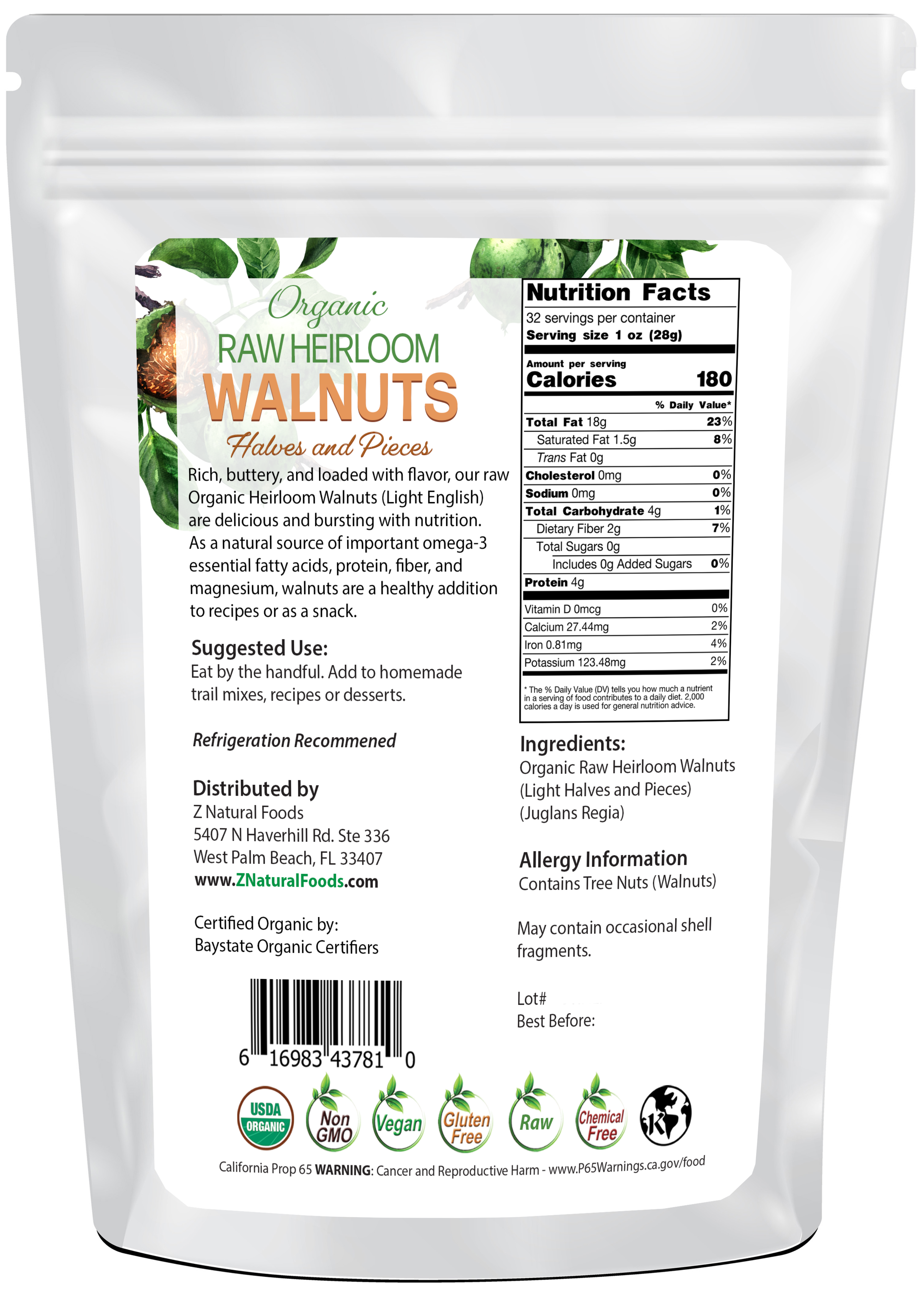
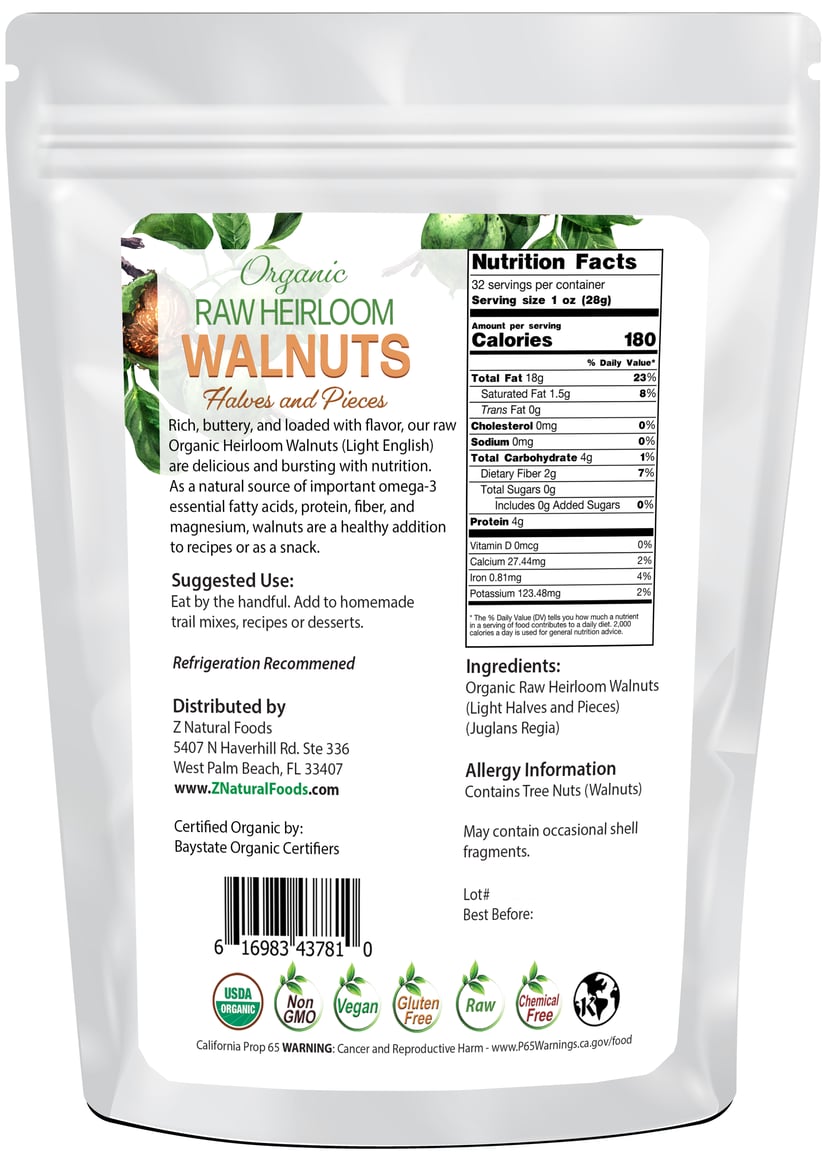
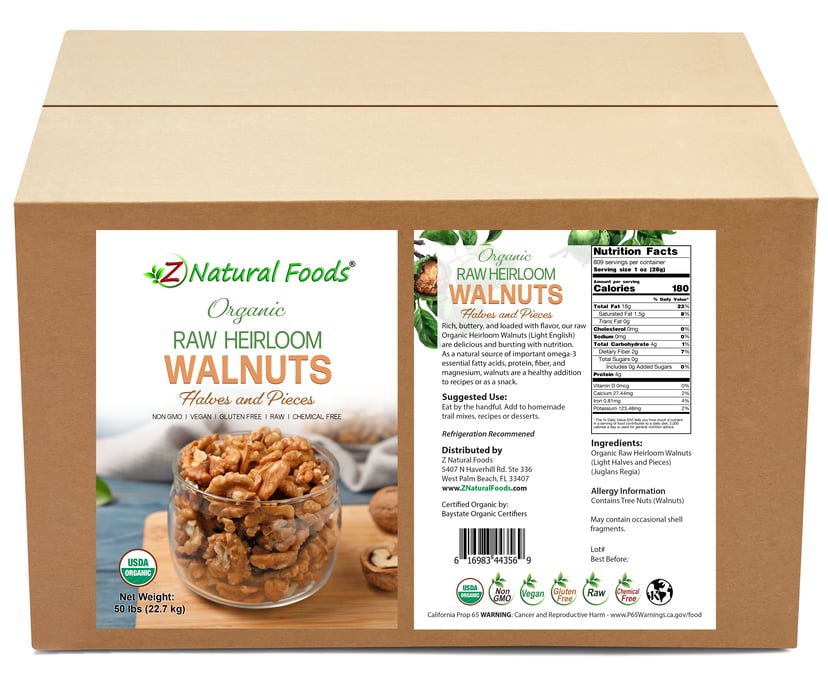
Suggested Uses: Eat by the handful. Add to homemade trail mixes, recipes, or desserts.
Botanical Name: Juglans regia.
Other Names: Persian Walnut, Mission Walnut, English Walnut, English Light Walnut.
Parts Used: Whole, Walnut.
Ingredients: Raw Heirloom Walnuts.
Origin: Grown in the USA. Packaged with care in Florida, USA.
Certifications: Certified USDA Organic.
How to Maintain Optimum Freshness
- This product is packaged in airtight stand-up, resealable foil pouches for optimum freshness.
- Once opened, push the air out of the pouch before resealing it to preserve maximum potency.
- Keep your powder in a cool, dark, dry place.
This product is 100% natural and minimally processed:
Taste, smell, texture, and color vary from batch to batch. Go here to learn why our products may naturally vary.
The important protections we take to bring you safe and nutritious superfoods:
Please go here to discover the essential steps we take to deliver fresh, quality nutrition.
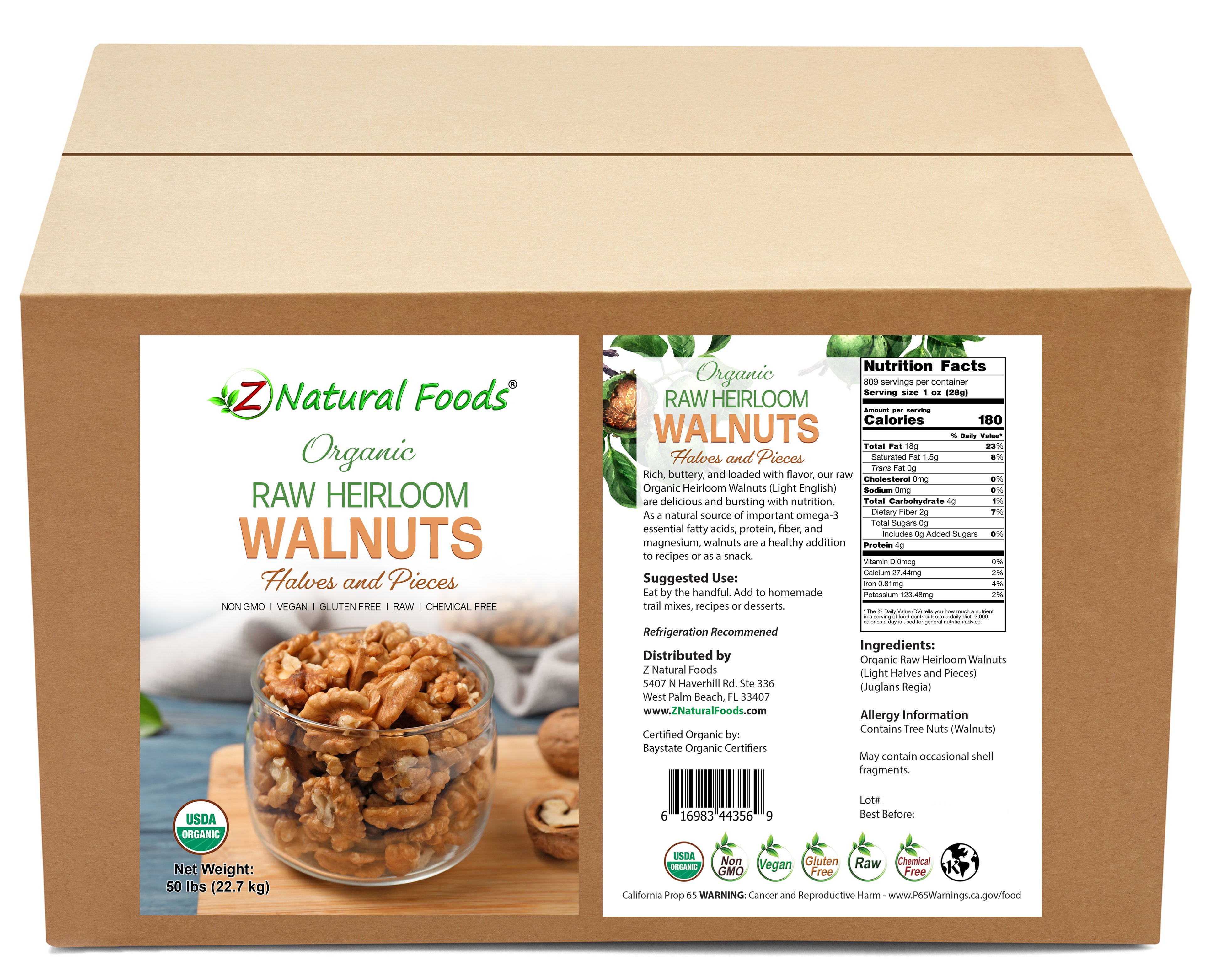
Bulk Quantities?
Need to order a large quantity of our products? We are happy to help! Please get in touch with our Bulk department to discuss the details.
1. Heisey, R.M. and B.K. Gorham. 1992. Antimicrobial effects of plant extracts on Streptococcus mutans, Candida albicans, Trichophyton rubrum and other micro-organisms. Lett Appl Microbiol 14:136"“139
2. The Homeopathic Pharmacopoeia of the United States (HPUS) Revision Service Official Compendium. 1992. Fairfax, VA: Pharmacopoeia Convention of the American Institute of Homeopathy
3. Karnick, C.R. 1994. Pharmacopoeial Standards of Herbal Plants, Vol. 1. Delhi: Sri Satguru Publications. 205"“206
4. Meyer-Buchtela, E. 1999. Tee-Rezepturen"”Ein Handbuch für Apotheker und Ärzte. Stuttgart: Deutscher Apotheker Verlag
5. Nadkarni, K.M. 1976. Indian Materia Medica. Bombay: Popular Prakashan. 709
6. Nahrstedt, A., U. Vetter, F.J. Hammerschmidt. 1981. Zur kenntnis des wasserdampfdestillates der blätter von Juglans regia [Composition of the steam distillation product from the leaves of Juglans regia ]. Planta Med 42(4):313"“332
7. Okada, T.A., E. Roberts, A.F. Brodie. 1967. Mitotic abnormalities produced by juglone in Ehrlich ascites tumor cells. Proc Soc Exp Biol Med 126(2):583"“588
8. Roth, J.H. (ed.). 1993. In: Hänsel, R. Teedrogen, Pharmazeutisches Ring Taschenbuch Kap. 10. Stuttgart: Wissenschaftliche Verlagsgesellschaft
9. Trease, G.E. and W.C. Evans. 1989. Trease and Evans' Pharmacognosy, 13th ed. London; Philadelphia: Baillière Tindall
10. Uphof, J.C. 1968. Dictionary of Economic Plants, 2nd ed. New York: Verlag von J. Cramer. 289"“290
11. Weiss, R.F. 1988. Herbal Medicines . Beaconsfield, England: Beaconsfield Publishers. 332
12. Bhargava, U.C. and B.A. Westfall. 1968. Antitumor activity of Juglans nigra (black walnut) extractives. J Pharm Sci 57(10):1674"“1677
13. Hutchens, A. 1991. Indian Herbology of North America . Boston: Shambala
14. Osman, N.A., S.M. Gaafar, M. Salah el-Din, G.M. Wassel, N.M. Ammar. 1987. Hazardous effect of topical cosmetic application of Deirum (Juglans regia L. plant) on oral tissue. Egypt Dent J 33(1):31"“35

