

- * For destinations within the contiguous U.S., orders totaling $75 or more (before tax) ship free, and orders below $75 require payment for shipping. The price of shipping is available at Checkout. Multiple shipping addresses count separately. For other destinations (including international), shipping cost is calculated at checkout. Delivery date will be estimated at checkout. See Full Details
 Mon-Fri 9AM-5:30PM EST
 (888) 963-6637


Xylitol - 100% Pure
- Home
Xylitol - 100% Pure






Xylitol - 100% Pure
Pay now$9.89
Purchase Options
Frequently Bought together
Loading...
+Loading...
Total price: $
About Product
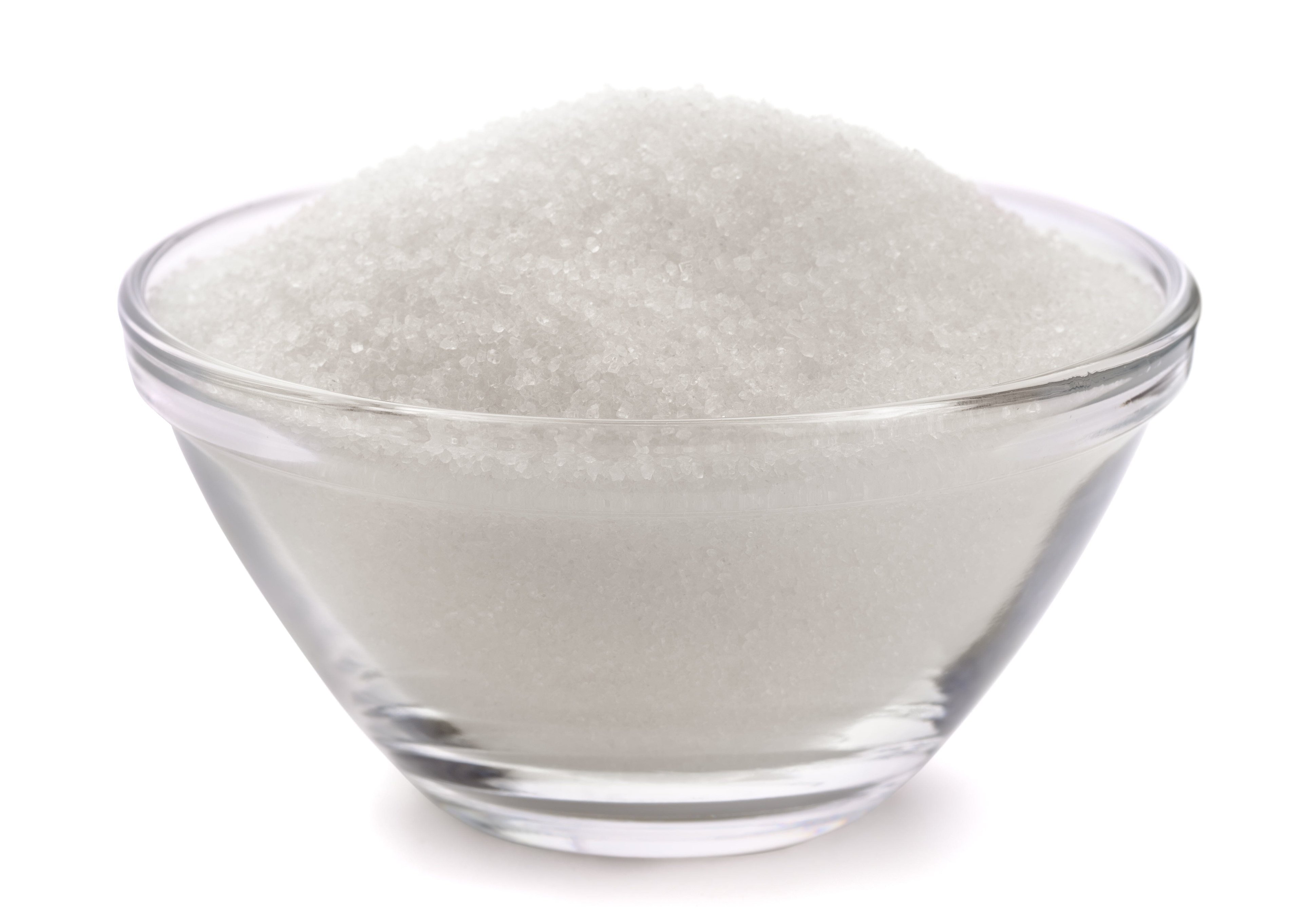
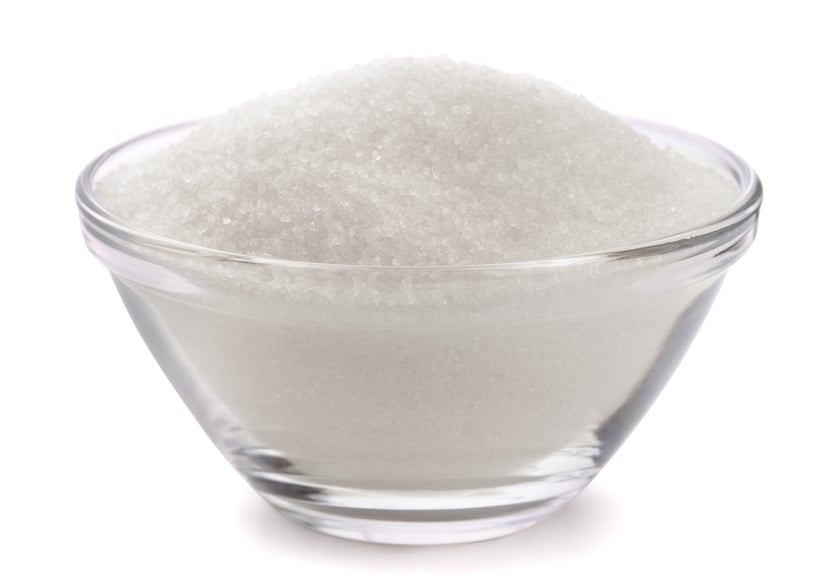
Xylitol is a plant-derived sweetener classified as a sugar alcohol, commonly sourced from birch trees, corn, and other hardwoods. With about 70% of the sweetness of table sugar, it offers a similar flavor profile while providing fewer calories. Its clean, sweet taste makes it a popular substitute in beverages, cereals, and desserts.
Shelf-stable and heat-tolerant, xylitol is also suitable for baking and cooking. It can be used in cookies, cakes, sauces, or smoothies as a sugar replacement, making it a versatile option for adding sweetness to recipes without relying on traditional sugar.
Our Xylitol is produced in a GMP / ISO9001-certified facility and meets the standards of purity set by US Pharmacopoeia. Each batch undergoes extensive testing for purity and safety.
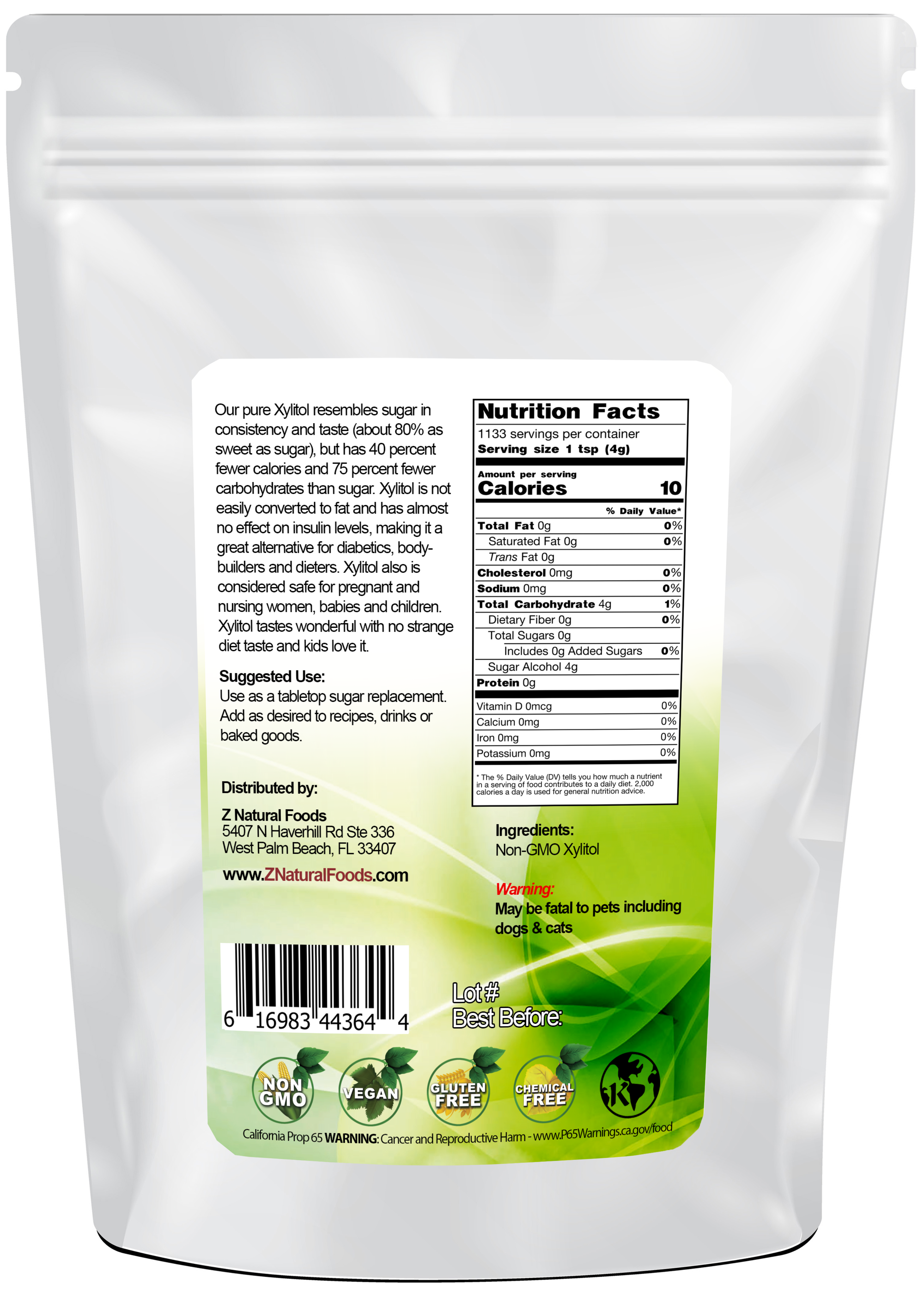
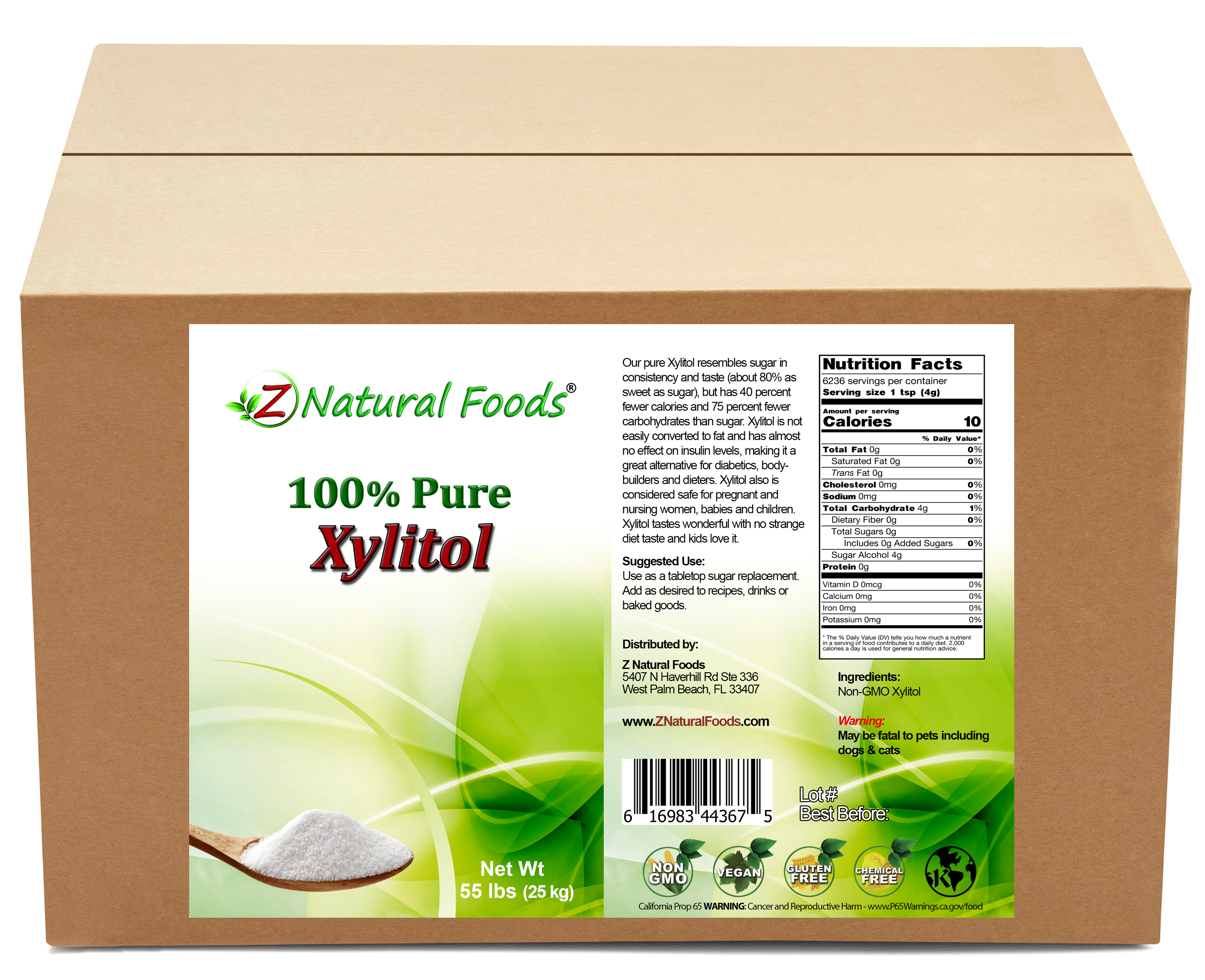
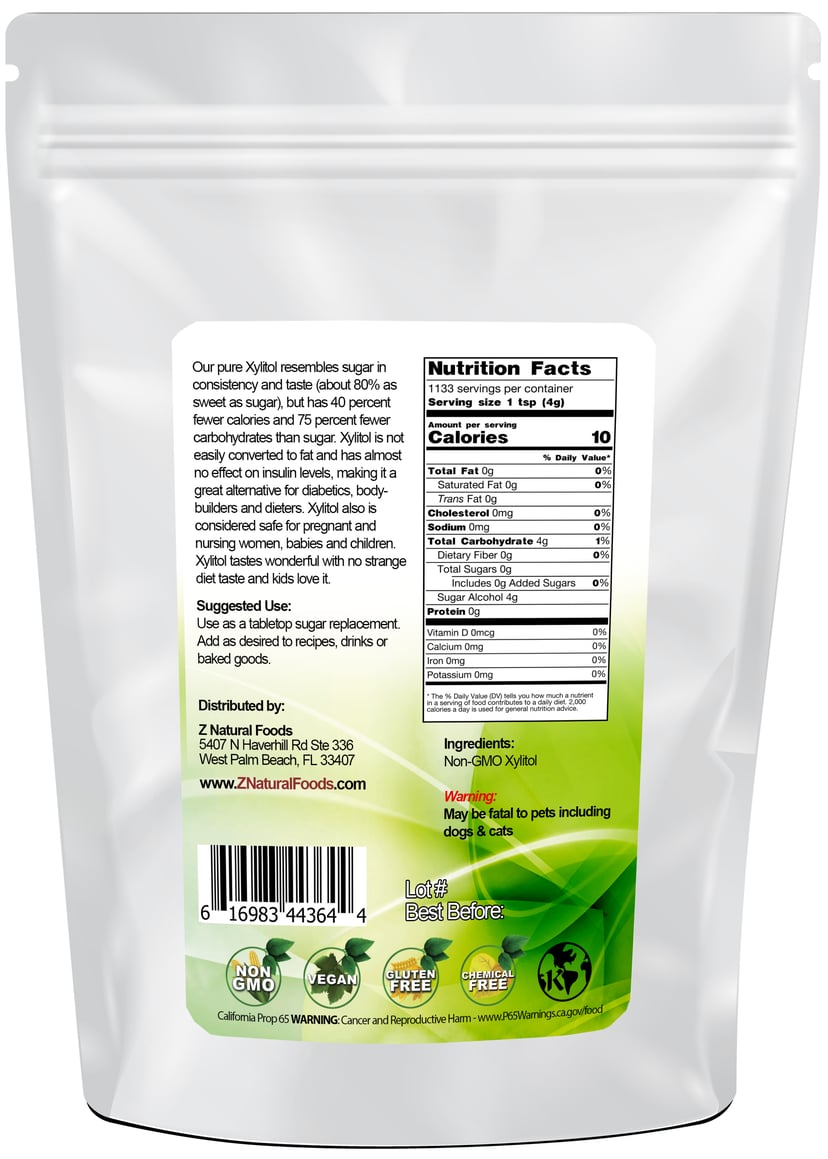
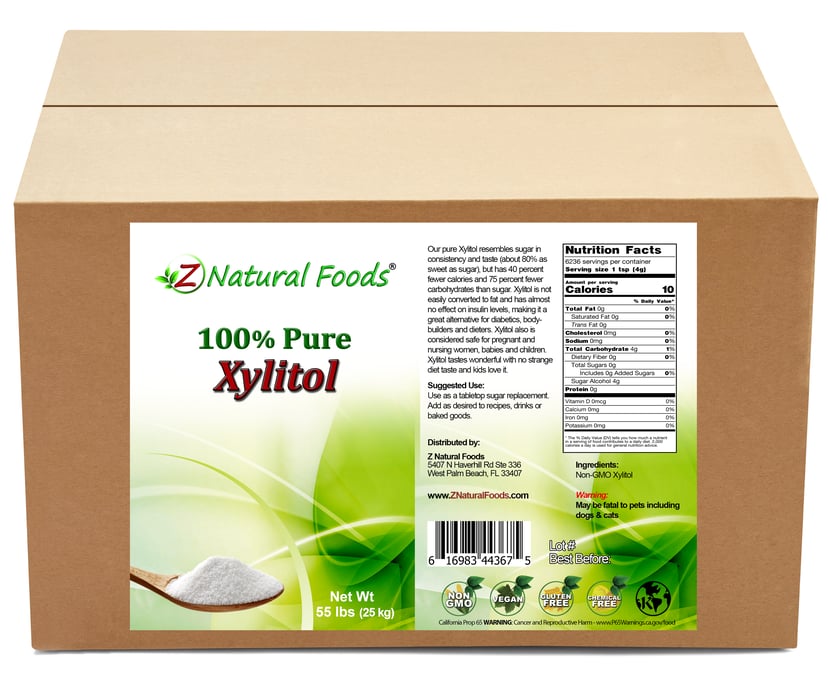
Suggested Use: Use as a tabletop sugar replacement. Add as desired to recipes, drinks, or baked goods.Ingredients: Non-GMO Xylitol.
* Warning: May be fatal to pets, including dogs & cats!
Origin: Grown and dried in China and packaged with care in Florida, USA.
How to Maintain Optimum Freshness
- This product is packaged in airtight stand-up, resealable foil pouches for optimum freshness.
- Once opened, push the air out of the pouch before resealing it to preserve maximum potency.
- Keep your powder in a cool, dark, dry place.
This product is 100% natural and minimally processed:
Taste, smell, texture, and color vary from batch to batch. Go here to learn why our products may naturally vary.
The important protections we take to bring you safe and nutritious superfoods:
Please go here to discover the essential steps we take to deliver fresh, quality nutrition.
Bulk Quantities?
Need to order a large quantity of our products? We are happy to help! Please get in touch with our Bulk department to discuss the details.
1. B. L. Horecker, K. Lang, Y. Takagi (eds), International symposium on metabolism, physiology and clinical uses of pentoses and pentitols Springer-Verlag, Berlin, 1969. Proceedings of symposium held in Hakone, Japan August 27-29, 1967 about xylitol before major dental benefits were demonstrated.
2. H. L. Sipple, K. W. McNutt (eds) Sugars in Nutrition Academic Press, New York 1974. Xylitol featured in several sections including: Sugars in foods, recent technological developments, digestion and absorption of sugars, metabolism of sugars, diabetes, therapeutic use of sugars, and sugars in the oral cavity.
3. A. Scheinin, K.K. Makinen (eds) The Turku Sugar Studies, I-XXI Acta Odontologica Scandinavia, vol. 33, supplement 70, 1975. The classic series of investigations which revealed the remarkable potential of xylitol.
4. J. N. Counsell (ed) Xylitol Applied Science, London, 1977. Collects and updates xylitol findings at an International Symposium in London, May 5, 1977. Includes discussions of xylitol as a new ingredient along with biochemical and dental aspects of xylitol..
5. K. K. Makinen, Biochemical principles of the use of xylitol in medicine and nutrition with special consideration of dental aspects Birkhäuser Verlag, Basel, 1978. This monograph details virtually all xylitol-related research published before 1978 on dental caries, oral microbiology, human physiology, and animal and human nutrition.
6. J. J. Hefferen, H. M. Koehler (eds) Foods, Nutrition and Dental Health Pathotox Publishers, Park Forest South, IL 1981. Contains interesting background "discussions" including insights into the original xylitol programs.
7. W. J. Loesche, Dental Caries, a Treatable Infection University of Michigan, 1987. "S. mutans and L. casei can ferment sorbitol and mannitol (sweeteners in sugar-free gum) but are inactive towards xylitol. Xylitol is comparable to sucrose in sweetness and has been shown to be noncariogenic, possibly anticariogenic."
8. I. D. Mandel (chairman), Dental Dialogue -- Caries Prevention with Xylitol (synopsis of symposium held at University of Michigan) Medec Communications, Oradell NJ 1988. "Clearly, xylitol exhibits more dental benefits than any other sweetener. We are talking about xylitol not as a sole preventive agent but as an agent used in conjunction with available preventive services."
9. T. H. Grenby (ed) Progress in Sweeteners Elsevier Applied Science, London, 1989. Includes sections on dental considerations and xylitol in caries limitation.A. J. Rugg-Gunn (ed) Sugarless, the Way Forward: Proceedings of an International Symposium Held at the University of Newcastle at Tyne, U.K. Elsevier Applied Science, London, September 1991. General information about sugar substitution along with some specific topics such as sweeteners in children's medications, mostly from the British and European regulatory perspective.
10. N. Kretchmer, C. B. Hollenbeck (eds) Sugars and Sweeteners CRC Press, London 1991. See chapters 8-10.
11. A. J. Rugg-Gunn, (with) A. F. Hackett, Nutrition and Dental Health Oxford University Press, 1993. "There is no doubt that xylitol is the most expensive sweetener (about ten times more expensive than sucrose)."
12. J. N. Peldyak, Sweet Smart "“ Xylitol Advanced Developments, MI, 1996. Focuses on dental aspects of sugars and sweeteners with practical consumer advice on xylitol use.
13. http://authoritynutrition.com/xylitol-101/
14. A. J. Rugg-Gunn, J. H. Nunn, Nutrition, Diet and Oral Health Oxford Un.

