 Mon-Fri 9AM-5:30PM EST
 (888) 963-6637


Tamanu Oil - Organic
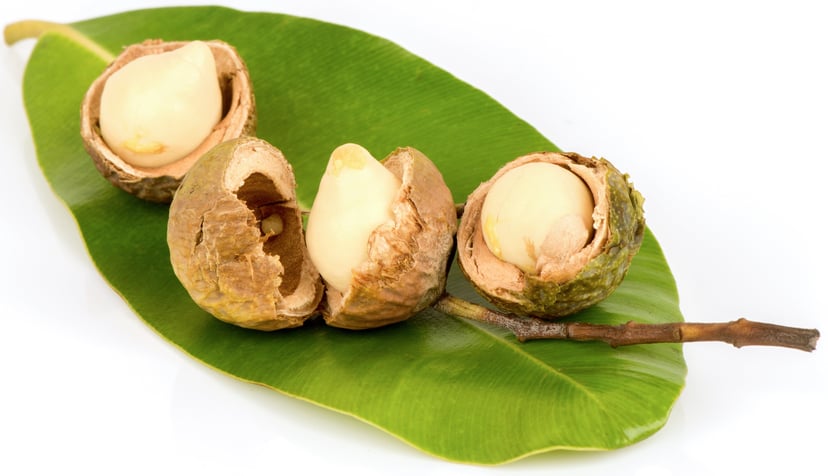






Tamanu Oil - Organic
Have complete control of your subscriptions
Skip, reschedule, edit, or cancel deliveries anytime, based on your needs.
Frequently Bought together
Total price: $
About Product
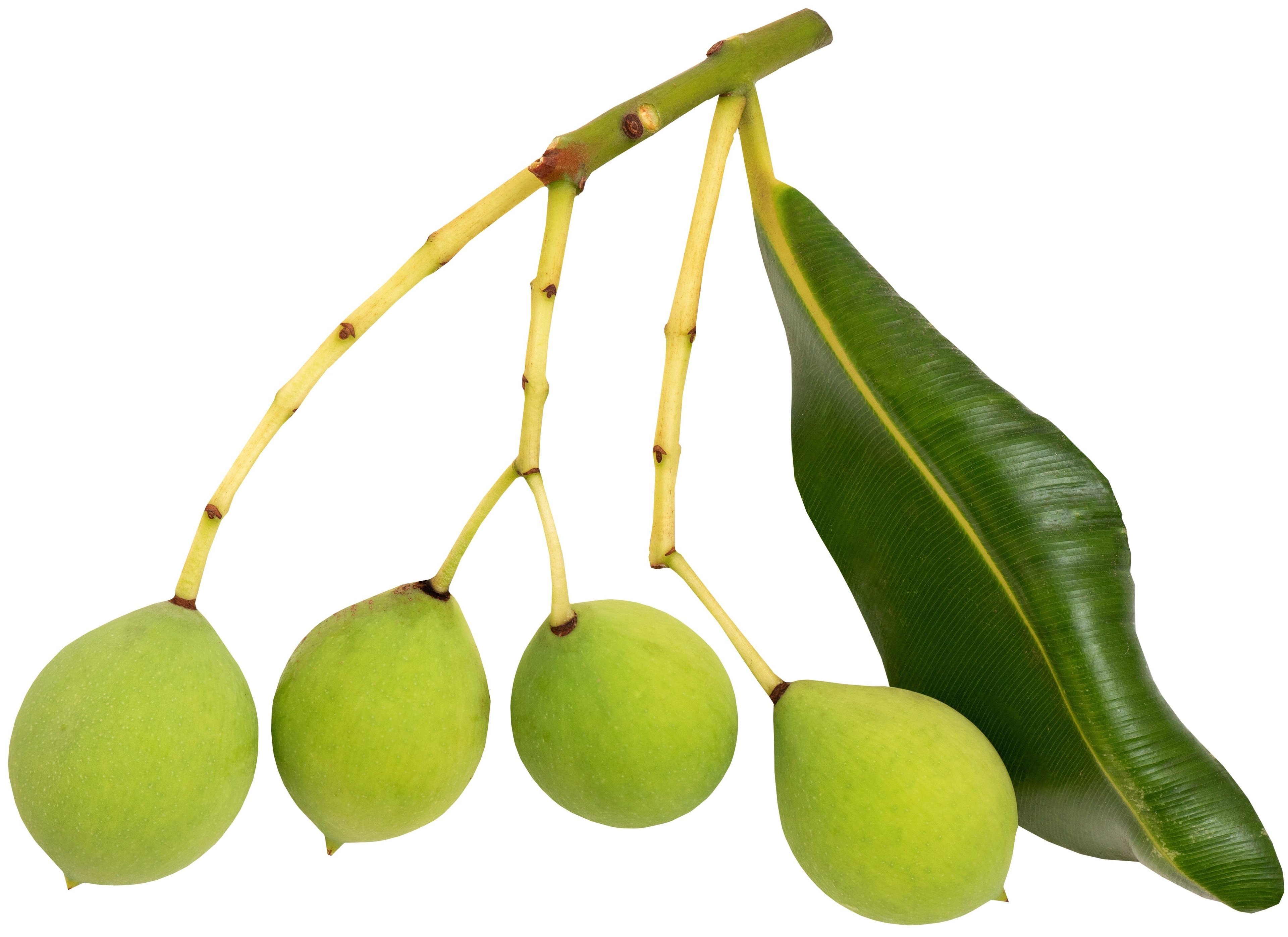
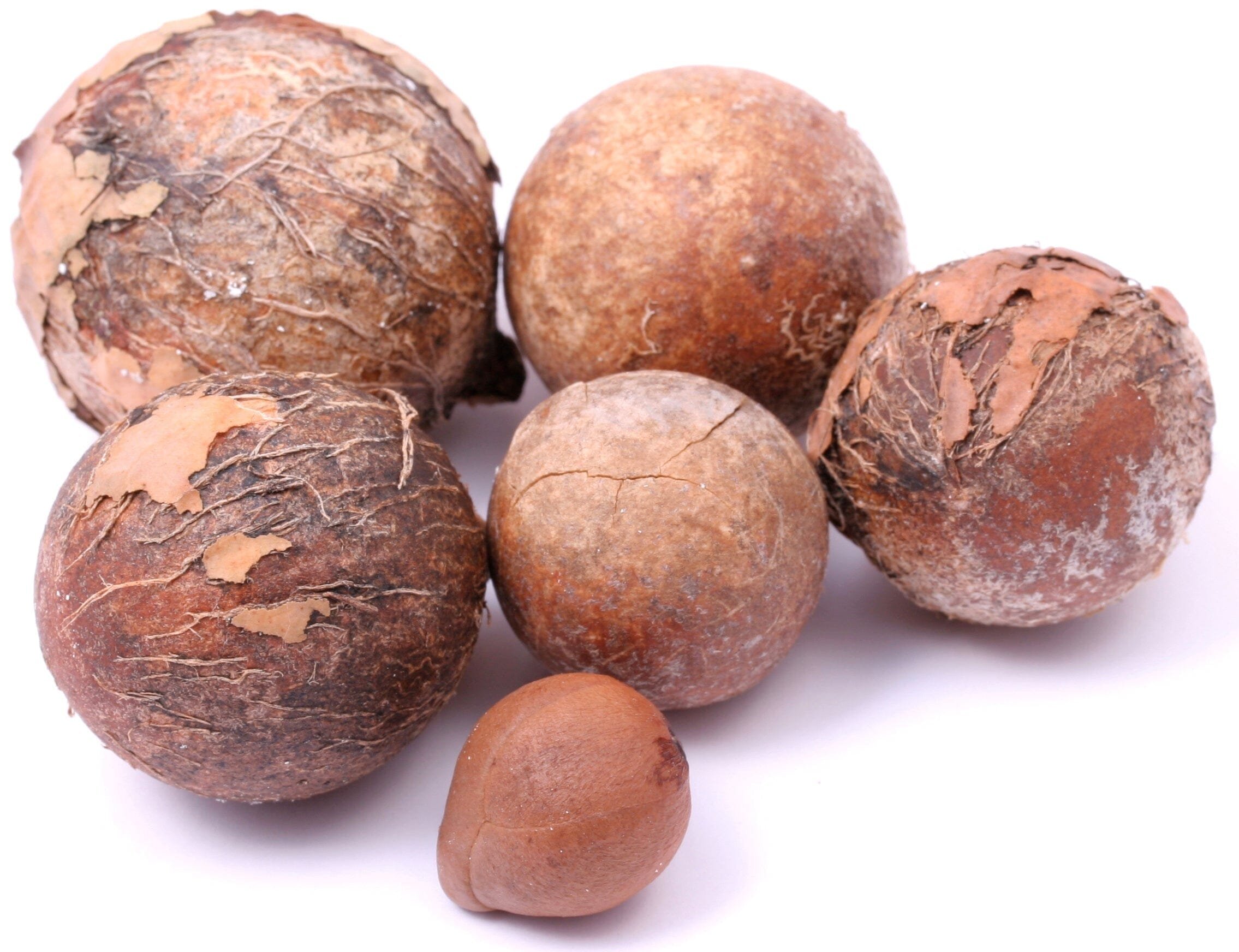
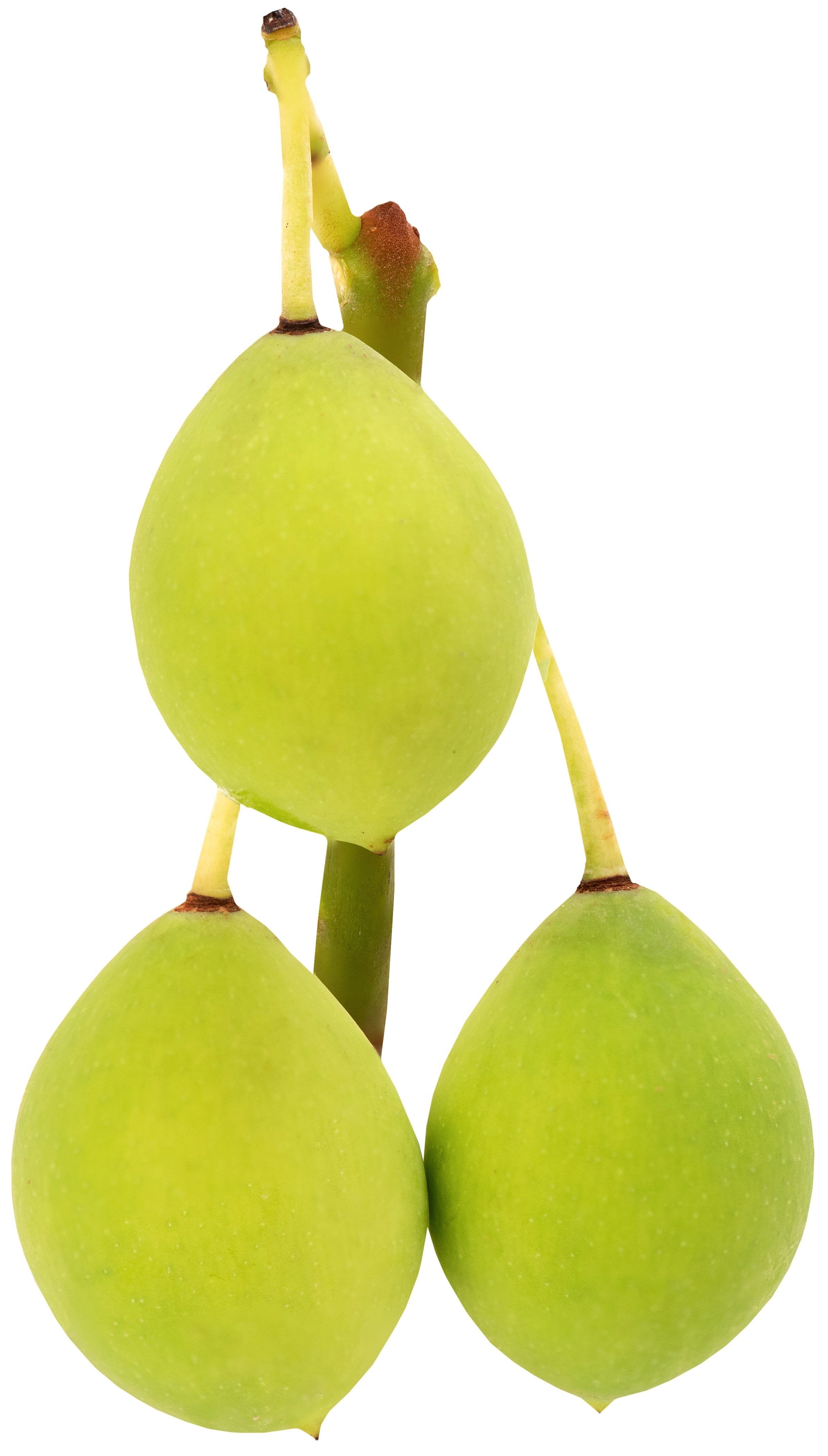
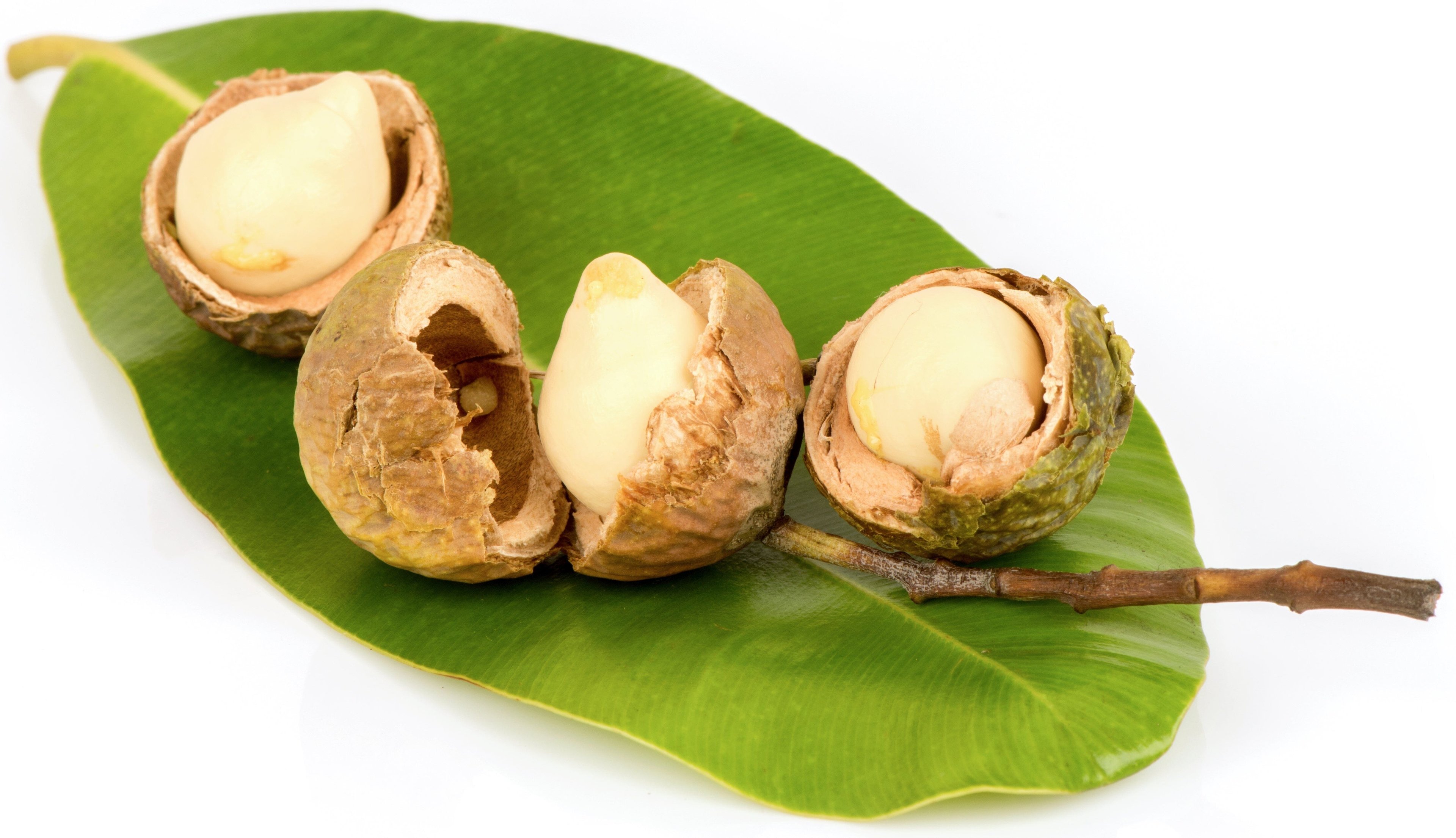
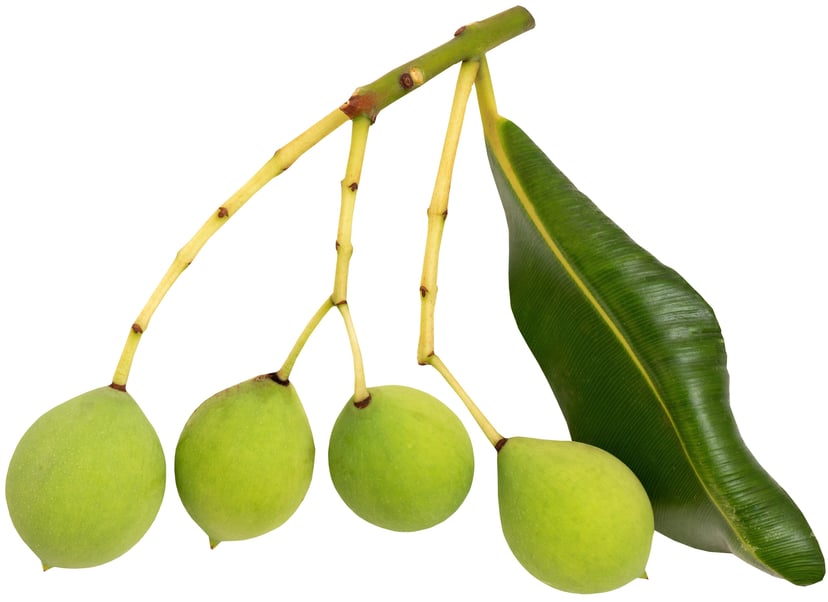
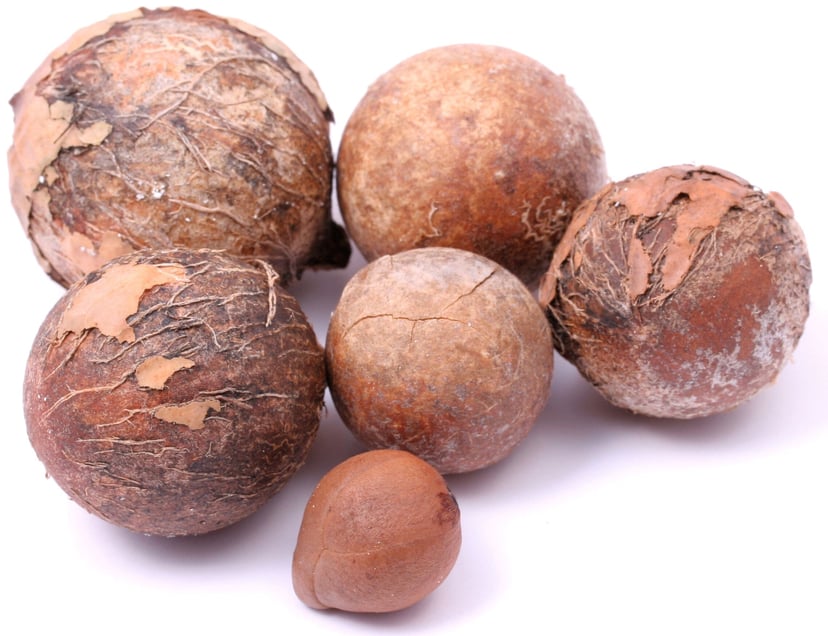
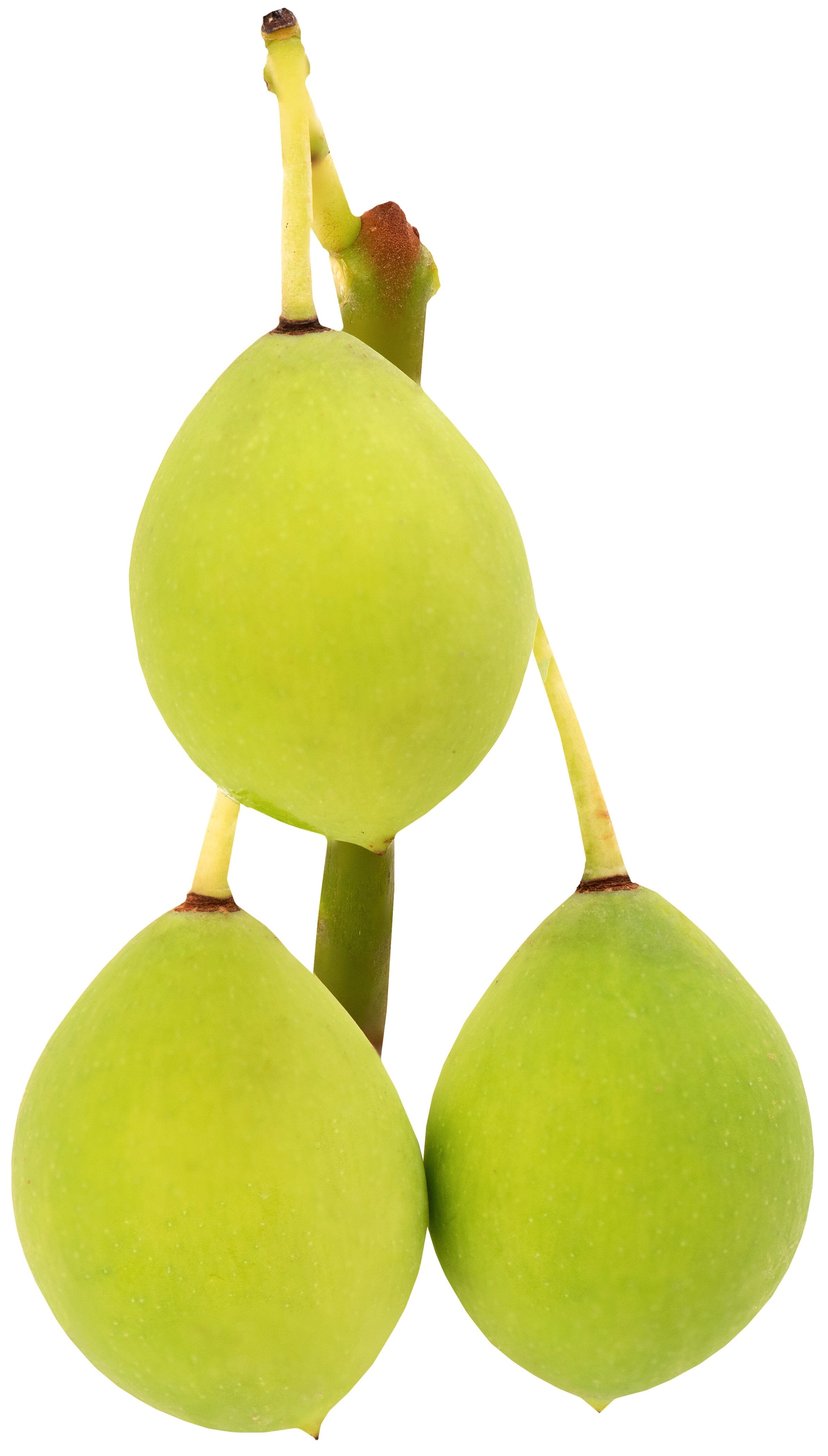
Tamanu Oil is a rich, dark green oil cold-pressed from the nut of the Calophyllum inophyllum tree, native to Southeast Asia and Polynesia. With its smooth texture and distinctive nutty aroma, it has been valued for centuries in traditional practices.
Shelf-stable and versatile, tamanu oil can be used in natural skincare formulations, massage blends, and hair treatments. Its unique scent and rich consistency make it a popular ingredient for creating balms, creams, and oils.
Some research suggests that Tamanu Oil may contain the following constituents:
- Neutral lipids: Monoacylglycerols, Diglycerides, Free fatty acids, Triacylglycerols, Sterols, sterol esters hydrocarbons
- Glycolipids: Monogalactosyldiacylglycerol, Acylated Monogalactosylmonoacylglycerol, Acylmonogalactosyldiacylglycerol
- Phospholipids: Phosphatidylethanolamine, Phosphatidylcholine, Phosphatidic acid, Phosphatidylserine, Lysophosphatidylcholine
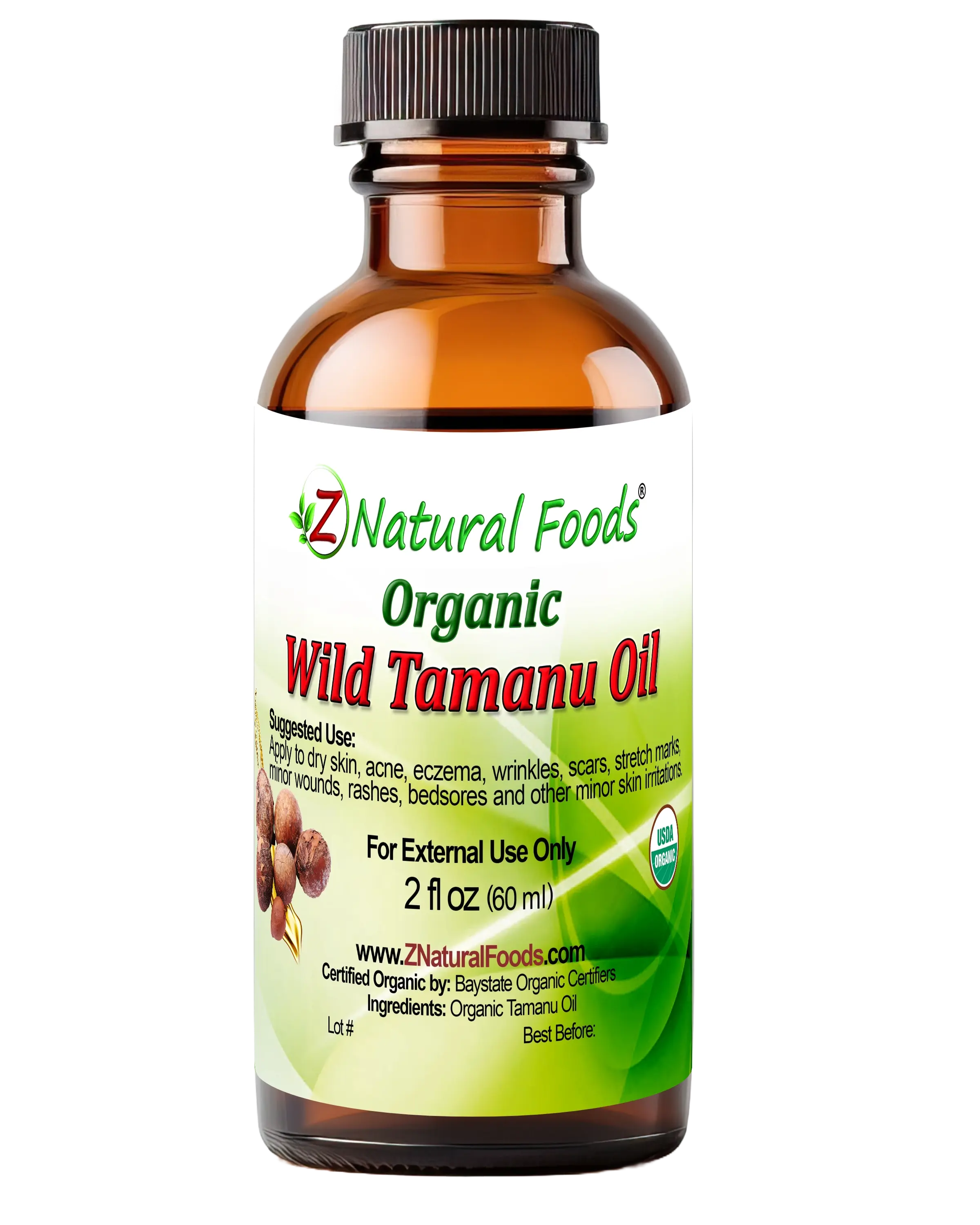
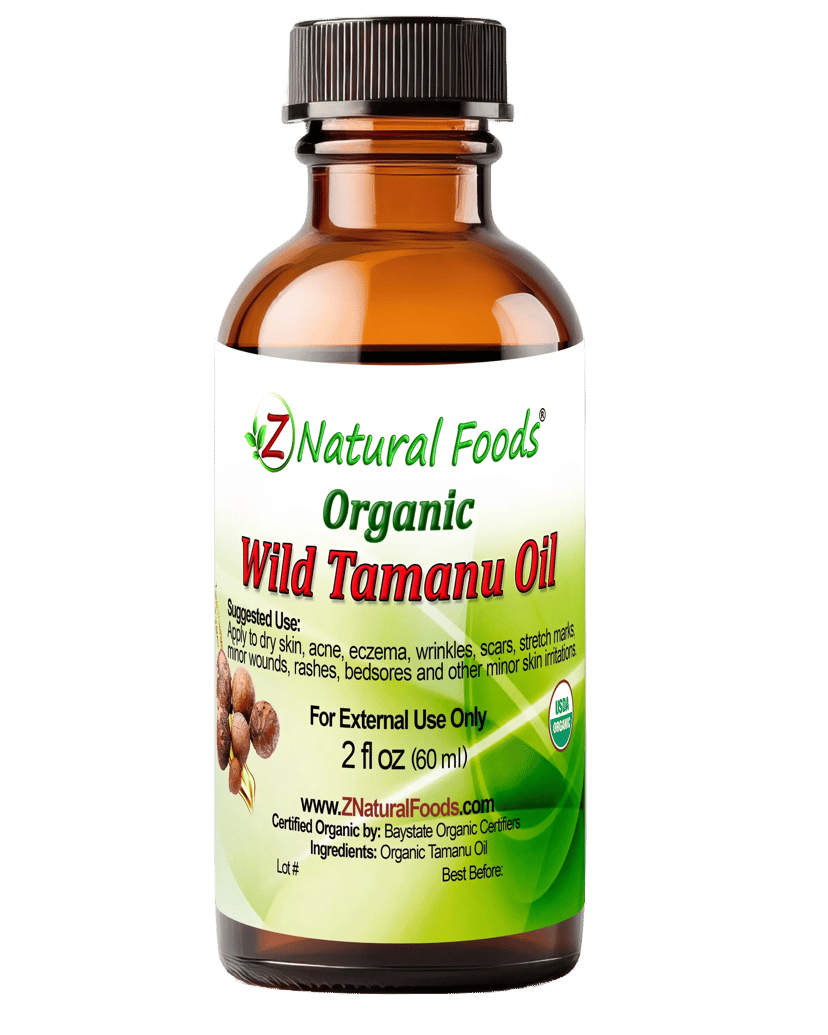
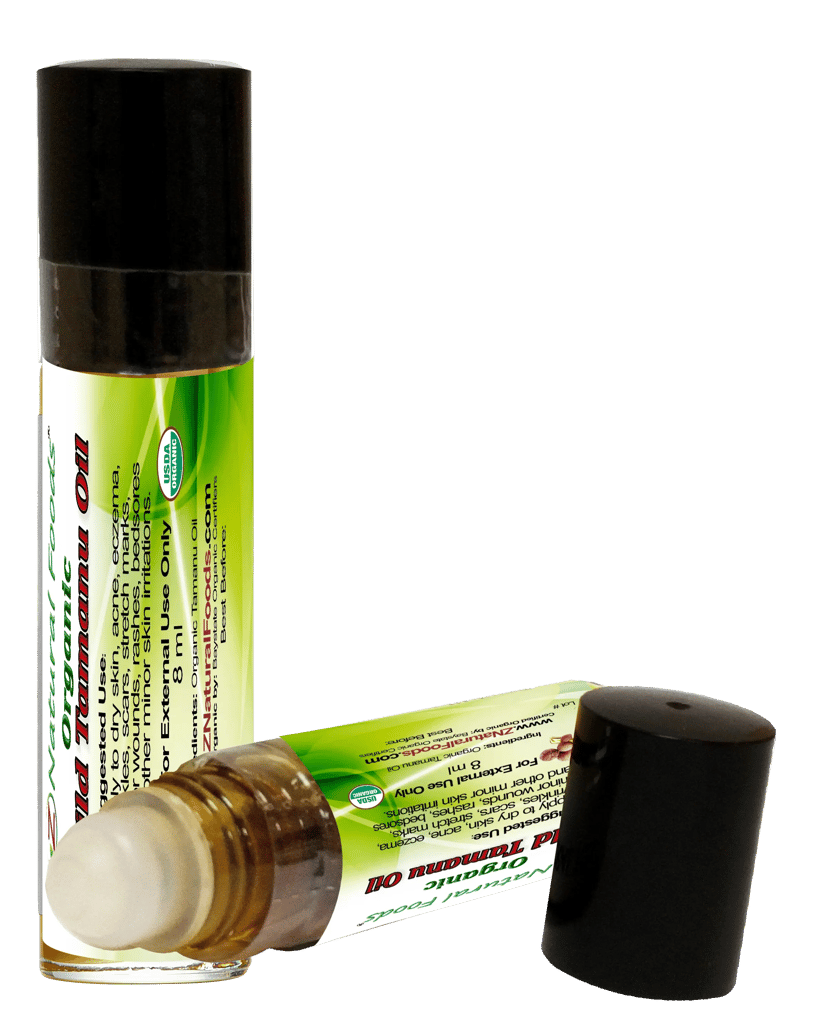
Our wild organic tamanu oil is 100% pure and has not been diluted with other oils. Comes in a convenient 2 oz amber bottle.
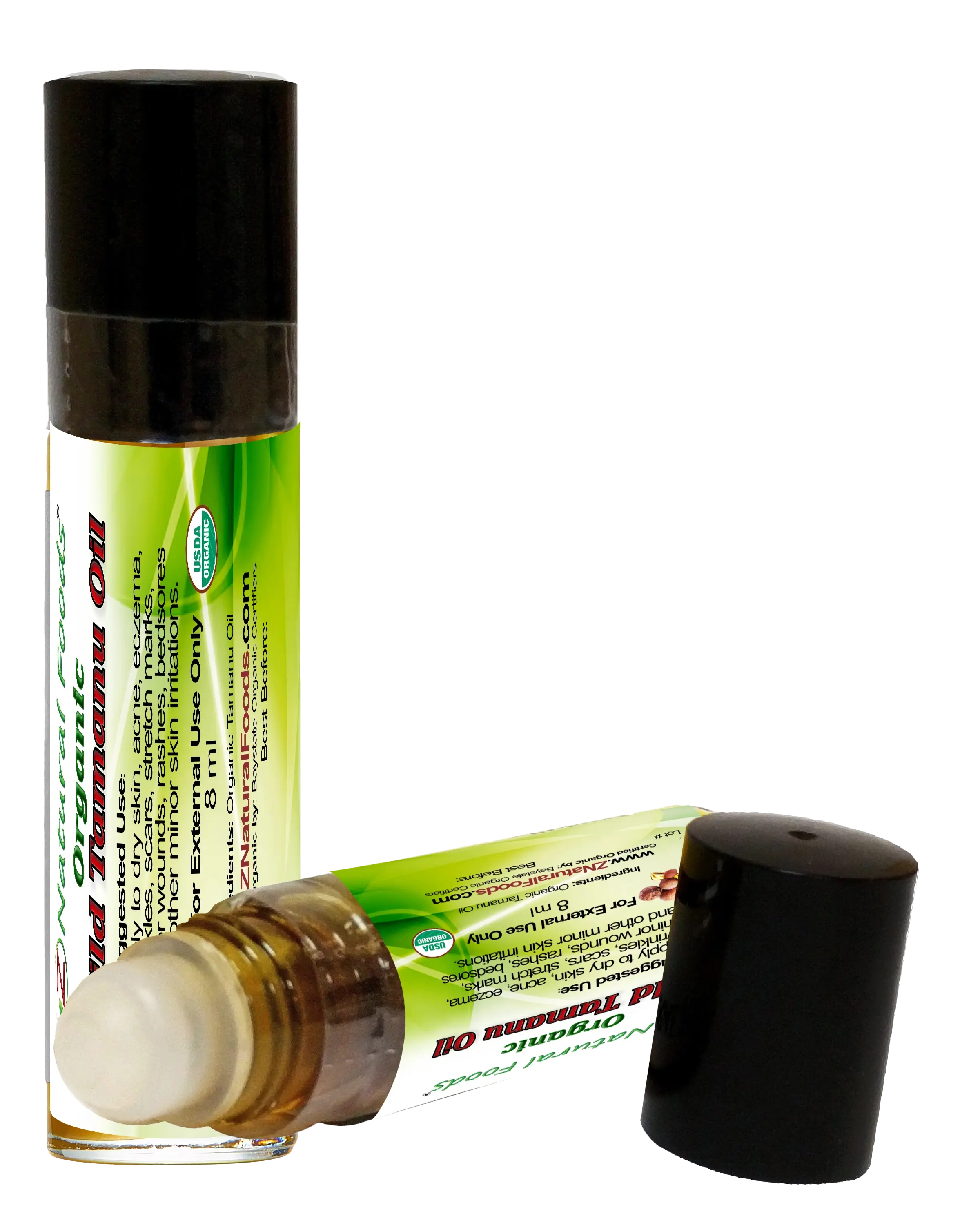
Suggested Uses: For External Use Only. Apply to dry skin, acne, eczema, wrinkles, scars, stretch marks, minor wounds, rashes, bedsores other minor skin irritations.
Botanical Name: Calophyllum Inophyllum.
Other Names: Foraha, Kamani Tree, Beauty Leaf, Alexandria Laurel, Santa Maria Tree.
Parts Used: Tamanu Seed.
Ingredients: Raw Tamanu Oil.
Origin: Packaged with care in Florida, USA.
Certifications: Certified USDA Organic.
This product is 100% natural and minimally processed:
Taste, smell, texture, and color vary from batch to batch. Go here to learn why our products may naturally vary.
The important protections we take to bring you safe and nutritious superfoods:
Please go here to discover the essential steps we take to deliver fresh, quality nutrition.
Bulk Quantities?
Need to order a large quantity of our products? We are happy to help! Please get in touch with our Bulk department to discuss the details.
References:
1. Calophyllum inophyllum was first described and published in Species Plantarum 1:513. 1753. GRIN (March 8, 2012). "Calophyllum inophyllum information from NPGS/GRIN". Taxonomy for Plants. National Germplasm Resources Laboratory, Beltsville, Maryland: USDA, ARS, National Genetic Resources Program. Retrieved April 26, 2012."
2. Mabberley, D.J. (1997). The plant book: A portable dictionary of the vascular plants. Cambridge: Cambridge University Press.
3. Neoflavones. 1. Natural Distribution and Spectral and Biological Properties. M. M. Garazd, Ya. L. Garazd and V. P. Khilya, Chemistry of Natural Compounds, Volume 39, Number 1 / janvier 2003.
4. Suresh, K. P. (2010). Indigenous Agricultural Practices among Mavilan Tribe in North Kerala.
5. Kilham, Chris. Oil of Tamanu. from Total Health, Vol.25, #1 1/888/316- Rose, Jeanne. 375 Essential Oils & Hydrosols. Frog Ltd. 2nd edition. 2000.
6. The Aromatherapy Book, Applications &Inhalations. North Atlantic Books. 1992.
7. Rothenberg, Robert E. Medical Dictionary and Health Manual. New American Library. 1968.
8. The New Shorter Oxford English Dictionary. Clarendon Press. Oxford. 1993
9. http://www.medicinehunter.com/tamanu

